


How to Incorporate Nutrient-Rich Seeds into Your Daily Diet
In today’s interconnected world, reliable communication is the backbone of technology, and at the heart of this communication lies the Line Interface Module (LIM). This vi...
Hemant kumar
May 08, 2026
A practical, science-backed guide you can actually follow
In the world of nutrition, seeds are often overlooked in favor of flashier “superfoods.” Yet from a biochemical and nutritional standpoint, seeds are among the most concentrated sources of essential micronutrients, healthy fats, plant protein, and bioactive compounds available in a natural diet.
The challenge isn’t whether seeds are healthy—it’s how to incorporate them consistently into daily meals without disrupting taste, routine, or digestion. This article breaks down the nutritional science behind common edible seeds and gives practical, evidence-based methods to add them to your diet effectively.
Why Seeds Are Nutritional Powerhouses (The Science)
Seeds exist to grow a new plant. That means they contain:
Macronutrients for energy (fats, proteins)
Micronutrients for cellular function (minerals, vitamins)
Protective phytochemicals (antioxidants, lignans, polyphenols)
From a nutritional density perspective, many seeds deliver more nutrients per gram than vegetables or fruits.
Key Nutrients Found in Seeds
| Nutrient | Function in the Body |
|---|---|
| Omega-3 fatty acids (ALA) | Anti-inflammatory, cardiovascular health |
| Magnesium | Nerve function, muscle contraction, glucose control |
| Zinc | Immune response, hormone production |
| Fiber (soluble & insoluble) | Gut health, cholesterol regulation |
| Plant protein | Muscle repair, enzyme synthesis |
| Lignans & polyphenols | Antioxidant and hormone-modulating effects |
Understanding Popular Nutrient-Rich Seeds
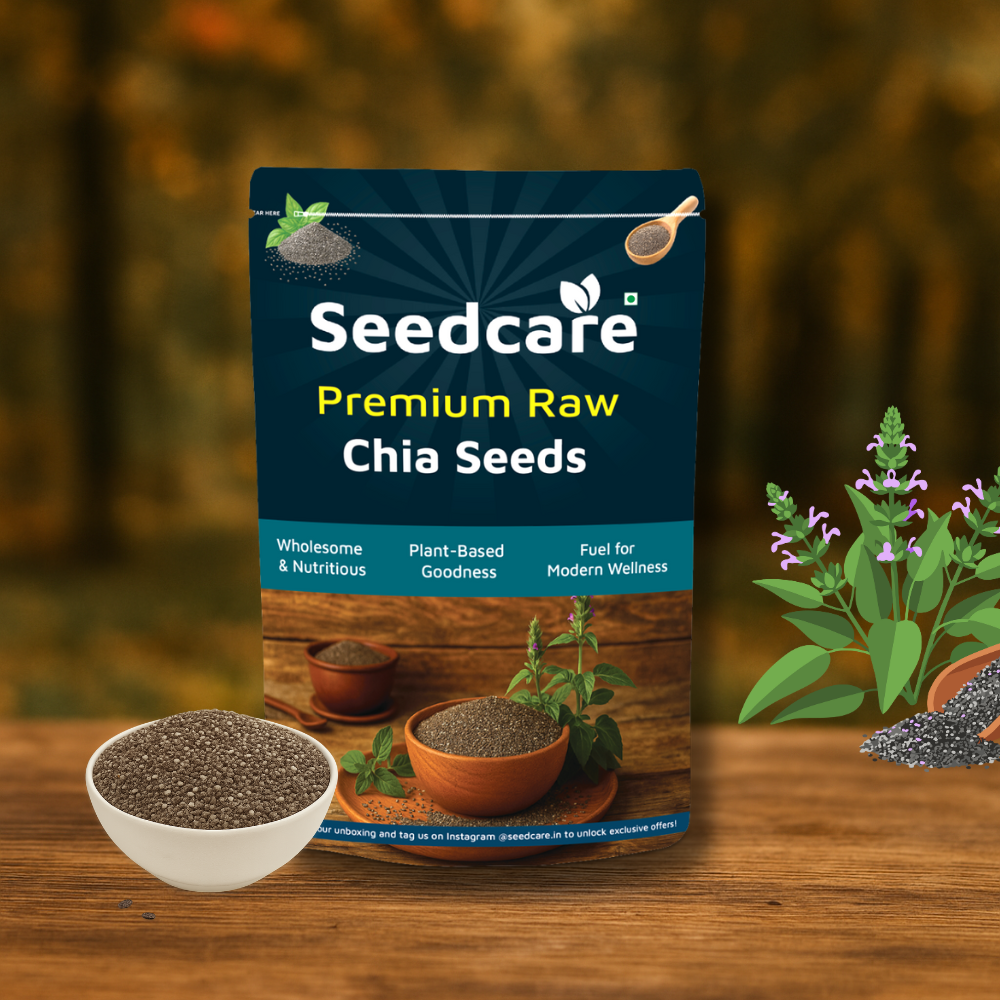
1. Chia Seeds
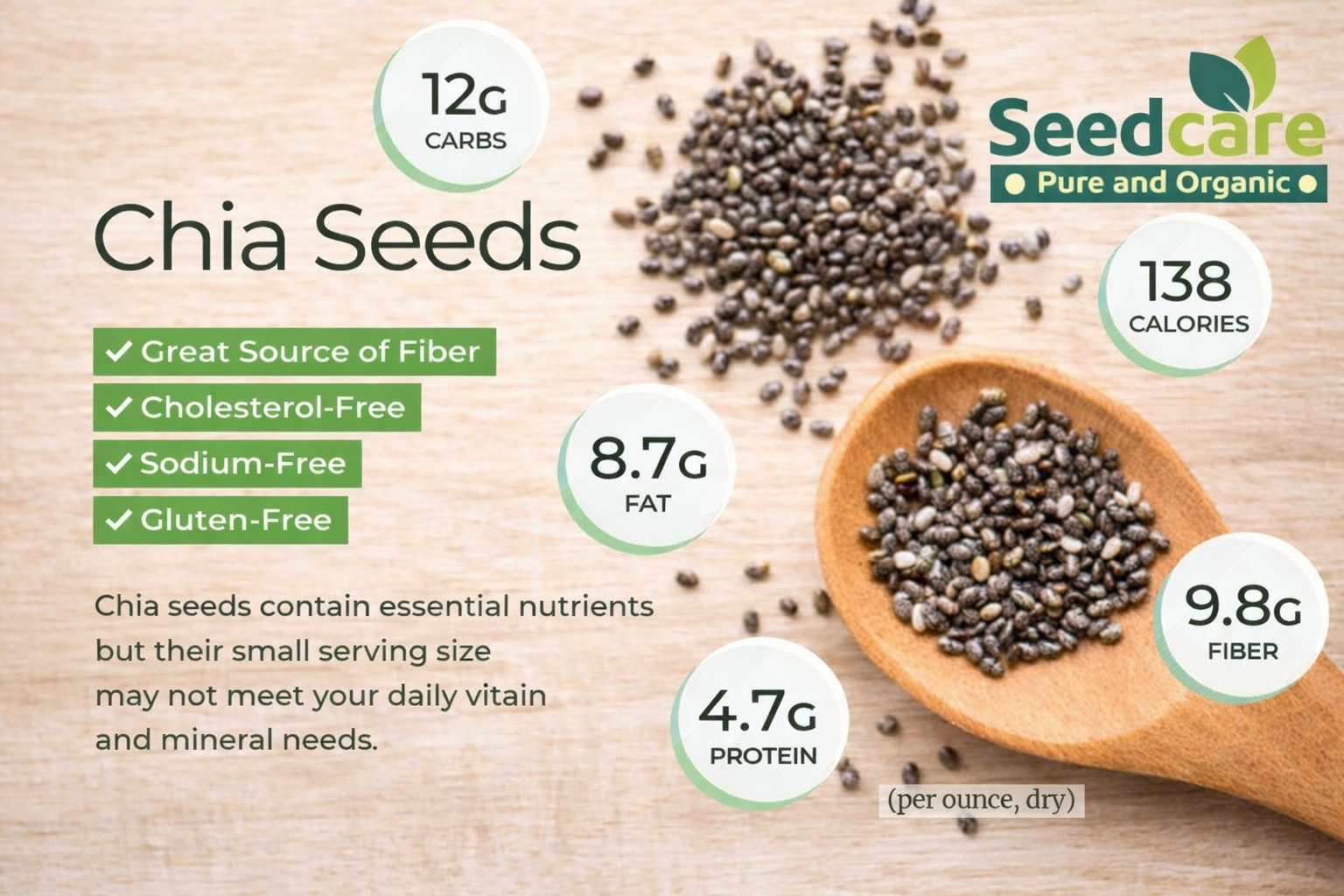
Nutritional highlights (per 28 g):
- ~10 g fiber
- ~5 g omega-3 (ALA)
- High calcium, iron, and magnesium
Technical note:
Chia seeds form a hydrophilic gel when soaked due to soluble fiber (mucilage). This slows gastric emptying, helping with blood sugar control.
Best absorption method:
Soaked (minimum 20–30 minutes)
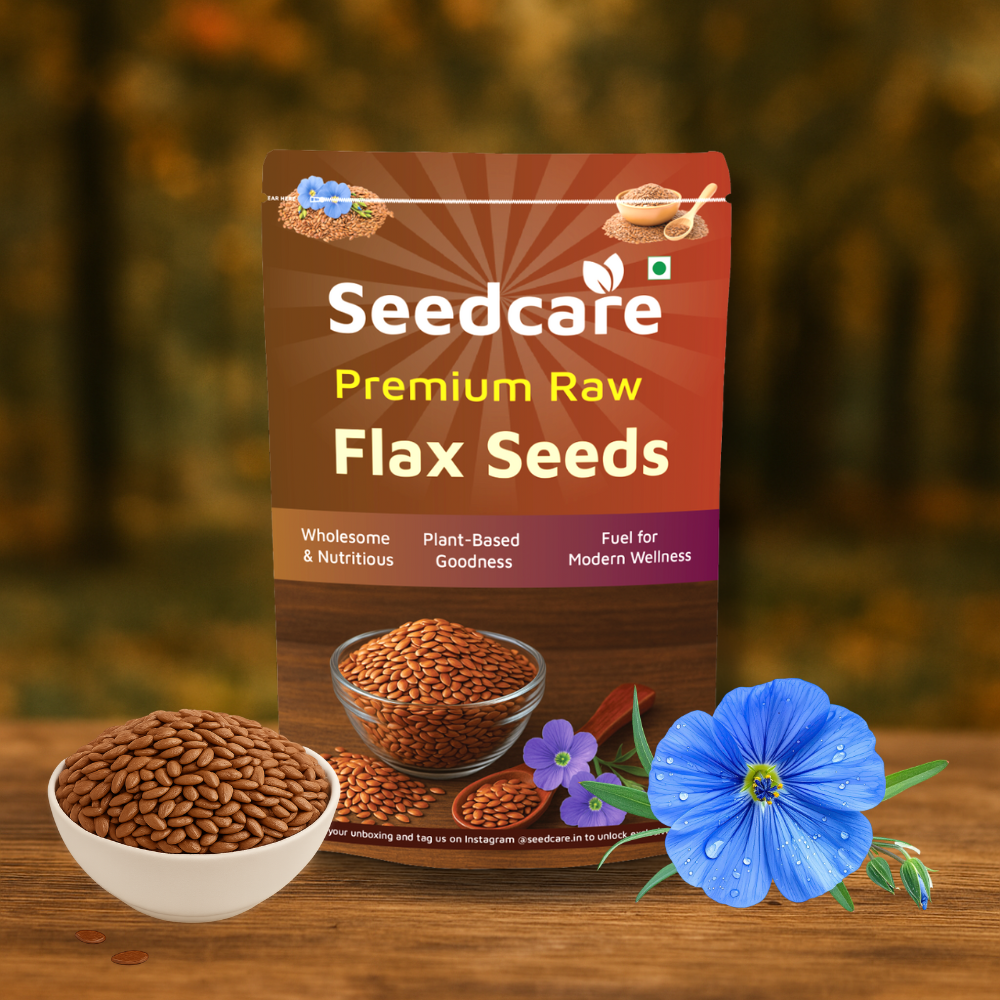
2. Flaxseeds (Linseeds - Alsi Beej)
Nutritional highlights:
- Rich in lignans (phytoestrogens)
- High omega-3 content
- Supports lipid metabolism
Critical detail:
Whole flaxseeds often pass through the gut undigested. Grinding is essential to access nutrients.
Best absorption method:
Freshly ground (use within 24 hours)
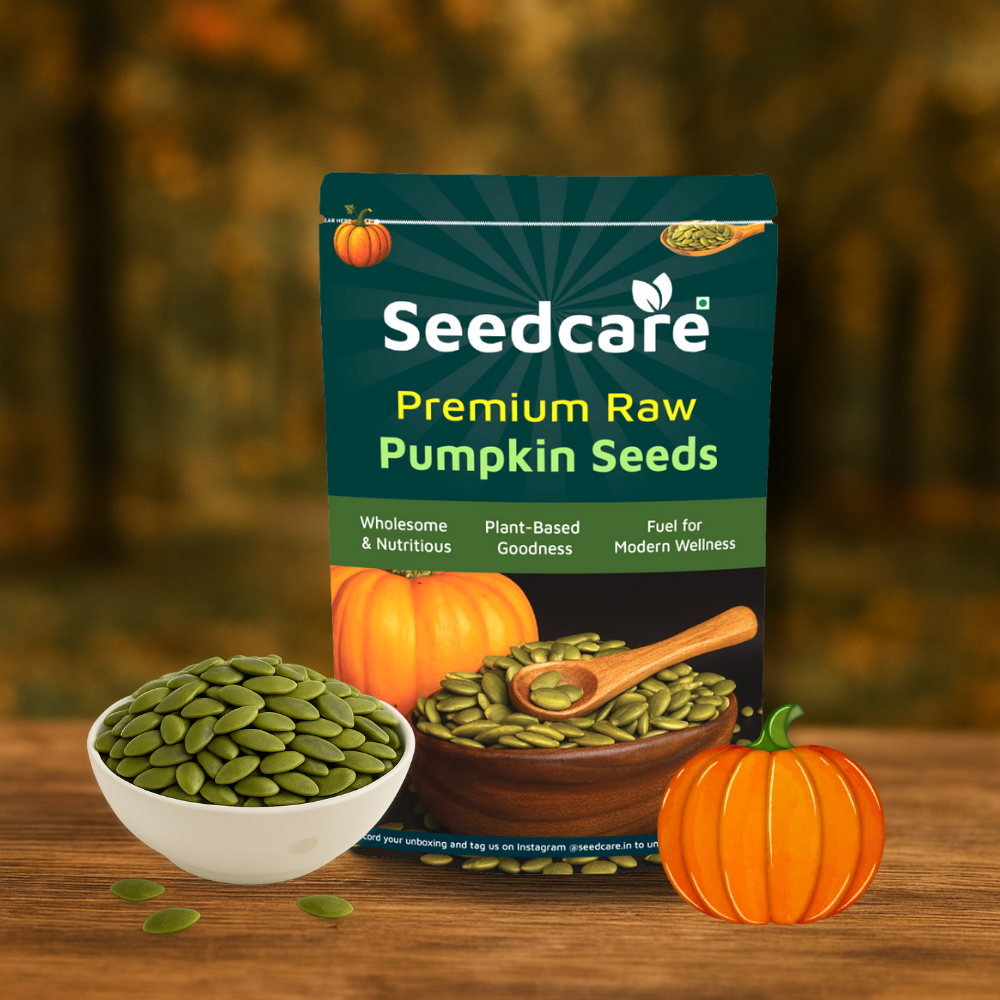
3. Pumpkin Seeds (Pepitas)
Nutritional highlights:
- High zinc (immune & testosterone support)
- Magnesium for nerve and muscle function
- Tryptophan for sleep regulation
Technical advantage:
Pumpkin seeds contain phytosterols, which can reduce LDL cholesterol absorption.
Best absorption method:
Lightly roasted or soaked
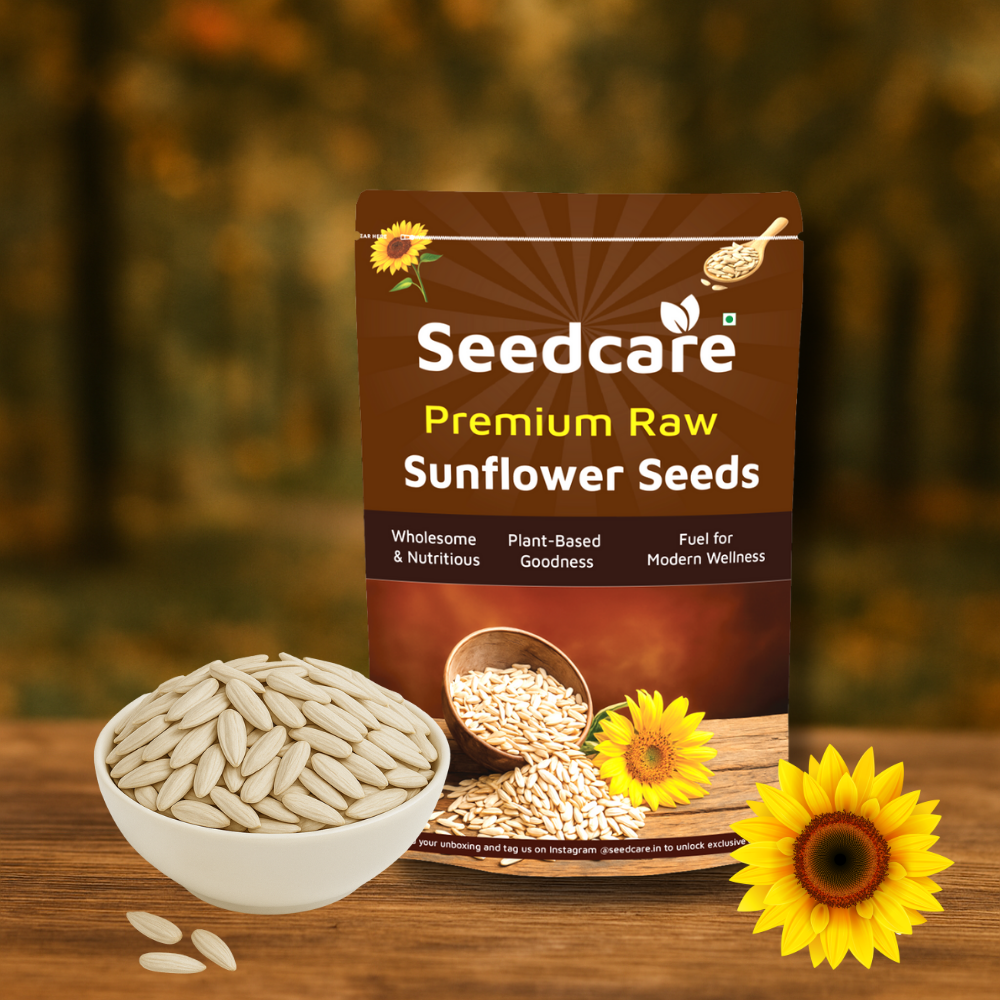
4. Sunflower Seeds
Nutritional highlights:
- Vitamin E (fat-soluble antioxidant)
- Selenium for thyroid function
- Healthy polyunsaturated fats
Caution:
Commercially salted versions can exceed recommended sodium intake.
Best absorption method:
Raw or dry-roasted, unsalted
Practical Ways to Add Seeds to Everyday Meals
- Add 1 tbsp ground flaxseed to oatmeal or yogurt
- Make chia pudding (2 tbsp chia + 1 cup milk, soaked overnight)
- Sprinkle mixed seeds on toast with nut butter
Why it works:
Morning fiber intake improves glycemic control throughout the day.
How Much Should You Consume? (Dosage Matters)
| Seed Type | Recommended Daily Intake |
|---|---|
| Chia seeds | 1–2 tablespoons |
| Flaxseeds | 1 tablespoon (ground) |
| Pumpkin seeds | 20–30 grams |
| Sunflower seeds | 1 small handful |
| Sesame seeds | 1 tablespoon |
Important:
Excess intake can cause bloating due to high fiber. Increase gradually.
Bioavailability & Digestion: What Most Blogs Miss
Seeds contain anti-nutrients like phytic acid, which can bind minerals.
How to Reduce Anti-Nutrients:
- Soaking (4–8 hours)
- Light roasting
- Grinding before use
These methods improve mineral absorption by up to 30–50%, according to nutritional studies.
Who Benefits Most from Daily Seed Consumption?
- People with digestive or metabolic disorders
- Vegetarians & vegans (micronutrient density)
- Athletes (magnesium & protein)
- Adults over 30 (bone & cardiovascular support)
Closing Thought
Incorporating nutrient-rich seeds into your daily diet isn’t about drastic changes—it’s about small, repeatable habits backed by nutritional science. Just 1–2 tablespoons per day can significantly improve fiber intake, mineral balance, and long-term metabolic health.
If you’re looking for one of the highest return-on-effort upgrades to your diet, seeds are it.
Related Articles
Pumpkin Seeds Benefits: Complete Evidence Guide for India (14 Pro...
May 18, 2026 · 19 min read
Makhana Benefits: The Complete Evidence Guide for India (Fox Nuts...
May 19, 2026 · 26 min read
Walnuts Benefits: The Complete Evidence Guide for India (Akhrot)...
May 19, 2026 · 28 min read