

In this article: Complete nutrition facts | 12 evidence-based benefits | Weight loss — 3 mechanisms | Heart health | Blood sugar control | Gut health | Bone strength | Skin and hair | Brain and mood | Pregnancy | PCOS | How to eat — 8 Indian methods | Daily dose | Side effects | White vs Black chia | Chia vs Sabja | 12 FAQ
Chia Seeds Benefits: The Complete Evidence Guide for India
Chia seeds (Salvia hispanica) were the staple food of Aztec warriors who reportedly sustained full-day marches on a single tablespoon. That claim may be mythology. What is not mythology is what nutritional science has confirmed over the last two decades: chia seeds are one of the most nutrient-dense foods per gram available anywhere, and they are now easily accessible across India at reasonable cost.
This article covers all 12 evidence-based benefits of chia seeds, the complete nutrition profile, how much to eat, the best ways to eat them in Indian cooking, what the research actually says (versus what gets exaggerated), and answers to the most searched questions about chia seeds in India.
For the Hindi version of this guide: चिया सीड्स के फायदे — Complete Hindi Guide.
Chia Seeds: Complete Nutrition Profile
Source: USDA FoodData Central | Per 100g chia seeds (raw, dry):
| Nutrient | Amount per 100g | % Daily Value | Significance |
|---|---|---|---|
| Calories | 486 kcal | — | 1 tbsp (12g) = 58 kcal — low for its nutrition density |
| Dietary Fibre | 34.4g | 138% ✅ | Highest fibre density of any common food |
| Omega-3 (ALA) | 17.8g | Very High ✅ | Best plant-based omega-3 in India — 1 tbsp = 2.1g |
| Protein | 16.5g | 33% | Complete protein — all 9 essential amino acids |
| Calcium | 631mg | 63% ✅ | More calcium than milk per gram |
| Magnesium | 335mg | 80% | Insulin sensitivity, bone, muscle |
| Phosphorus | 860mg | 123% | Bone mineralization, energy (ATP) |
| Iron | 7.7mg | 43% | Blood formation — important for vegetarians |
| Zinc | 4.6mg | 42% | Immunity, wound healing, skin |
| Manganese | 2.7mg | 117% | Antioxidant enzyme SOD, bone |
| Selenium | 55.2mcg | 100% | Thyroid, GPx antioxidant defense |
| Vitamin B1 (Thiamine) | 0.62mg | 52% | Energy metabolism, nervous system |
| Vitamin B3 (Niacin) | 8.8mg | 55% | DNA repair, energy, skin |
| Glycaemic Index | ~1 | Essentially zero ✅ | Safe for diabetics — no blood sugar impact |
| Antioxidants | Quercetin, Kaempferol, Chlorogenic acid, Caffeic acid | High | Anti-inflammatory, anti-cancer properties |
Putting 1 tablespoon in context
1 tablespoon of chia seeds (12g) = 58 kcal, 4.1g fibre (17% DV), 2.1g omega-3, 1.9g protein, 75mg calcium (7.5% DV). This is more nutritional value per calorie than almost any other food you can add to an existing meal without changing it.
12 Evidence-Based Benefits of Chia Seeds
1. Weight Loss — 3 Simultaneous Mechanisms
Nutrients 2021 systematic review of 12 clinical trials confirmed significant reduction in body weight and waist circumference in overweight subjects consuming chia seeds regularly. Three mechanisms work simultaneously:
| Mechanism | How It Works | Evidence |
|---|---|---|
| Volume satiety | 1 tbsp chia + water → 150ml gel in stomach → stretch receptors signal fullness → 15–20% less eaten at next meal | Appetite journal 2019 — 15–20% meal size reduction |
| Fibre satiety | 34.4g fibre per 100g slows gastric emptying → prolongs feeling full 4–5 hours after eating | AJCN meta-analysis — 14g extra fibre = 10% energy intake reduction |
| Omega-3 metabolism | ALA omega-3 increases fat oxidation, reduces fat storage signals, improves adiponectin levels | Nutrients 2021 — fat metabolism improvement confirmed |
2. Heart Health — Cholesterol, Blood Pressure and Inflammation
Nutrients 2021 cardiovascular review:
- LDL cholesterol reduction: Regular chia consumption reduces LDL ("bad") cholesterol. Soluble fibre binds bile acids → liver converts LDL to replace them → blood LDL falls
- Blood pressure: ALA omega-3 improves arterial flexibility and reduces arterial wall inflammation. Studies show systolic BP reduction in hypertensive subjects
- Triglycerides: Omega-3 from chia significantly reduces blood triglycerides — a major cardiovascular risk factor in Indians (who have naturally higher triglyceride tendency)
- HDL ("good" cholesterol): Regular omega-3 consumption raises HDL, further improving the cholesterol ratio
Why Indians specifically benefit
India has the world's highest rate of premature heart disease — Indians develop coronary artery disease 10–15 years earlier than Western populations. The combination of high triglycerides (common in Indians), low HDL, and chronic low-grade inflammation makes chia seeds' omega-3 and fibre profile particularly relevant for this population.
3. Blood Sugar Control — GI 1 and the Gel Mechanism
European Journal of Clinical Nutrition 2016: Chia seeds reduced post-meal blood glucose by 25–30% when consumed before a high-carbohydrate meal. Mechanism: the chia gel forms a physical barrier in the small intestine that slows glucose diffusion into the bloodstream.
| Comparison | Glycaemic Index | Post-Meal Glucose Impact |
|---|---|---|
| Chia seeds | ~1 | Negligible — essentially zero ✅ |
| White rice | 72 | Significant spike within 30 min |
| White roti (maida) | 70–80 | Rapid spike |
| Whole wheat roti | 49 | Moderate |
| Oats | 55 | Moderate |
| Chia added to rice/roti | Lowers overall meal GI | 25–30% lower spike than without chia |
4. Gut Health and Microbiome
Journal of Nutritional Biochemistry 2017: Chia seed fibre acts as a powerful prebiotic, selectively feeding Lactobacillus and Bifidobacterium — the two most important beneficial bacterial genera.
- 34.4g fibre per 100g — both soluble (gel-forming mucilage) and insoluble varieties present
- Soluble fibre feeds beneficial bacteria → they produce SCFAs (short-chain fatty acids) → reduce gut inflammation
- Insoluble fibre adds bulk to stool → prevents constipation (extremely common in Indians due to low-fibre diets)
- The prebiotic effect supports 70–80% of the immune system that lives in the gut
- Regular chia consumption improves stool consistency and frequency in 2–4 weeks in constipation-prone individuals
5. Bone Strength — More Calcium Than Milk Per Gram
Journal of Food Science 2011: Chia seeds contain 631mg calcium per 100g — more than whole milk (113mg/100g). Combined with 335mg magnesium (80% DV) and 860mg phosphorus (123% DV), chia seeds provide the complete mineral trio for bone formation and density.
| Bone Mineral | Chia Seeds (per 100g) | % DV | Function |
|---|---|---|---|
| Calcium | 631mg | 63% ✅ | Bone matrix formation, density |
| Phosphorus | 860mg | 123% ✅ | Hydroxyapatite crystal structure in bone |
| Magnesium | 335mg | 80% | Converts Vitamin D to active form; bone strength |
| Manganese | 2.7mg | 117% | Collagen synthesis for bone matrix |
| Zinc | 4.6mg | 42% | Osteoblast (bone-building cell) activity |
6. Anti-Inflammatory and Antioxidant Protection
Nutrients 2017 review: Chia seeds contain four major antioxidant compounds — quercetin, kaempferol, chlorogenic acid and caffeic acid — that reduce chronic inflammation through multiple pathways.
- Quercetin: Inhibits pro-inflammatory enzymes COX-1 and COX-2 (same target as ibuprofen, without the side effects)
- Kaempferol: Reduces IL-6 and TNF-α — the cytokines that drive chronic disease inflammation
- ALA omega-3: Converted partially to EPA, which produces resolvins and protectins — the body's own anti-inflammatory compounds
- Chlorogenic acid: The same polyphenol found in coffee — reduces CRP (C-reactive protein), a key inflammation marker
Chronic low-grade inflammation underlies heart disease, type 2 diabetes, arthritis, and many cancers. Regular chia consumption measurably reduces inflammatory markers within 8–12 weeks.
7. Skin and Hair Health
Prostaglandins, Leukotrienes and Essential Fatty Acids 2010: ALA omega-3 directly supports skin barrier function — reducing transepidermal water loss and improving skin hydration. Four chia nutrients specifically benefit skin and hair:
| Nutrient | Skin/Hair Benefit | Amount in 1 tbsp chia |
|---|---|---|
| ALA Omega-3 | Maintains skin cell membrane integrity — reduces dryness, flakiness, inflammation (eczema, psoriasis) | 2.1g |
| Zinc (4.6g/100g) | Regulates sebum production (acne), supports collagen, DHT regulation (hair loss) | 0.55mg per tbsp |
| Vitamin B3 (Niacin) | Skin barrier repair, reduces hyperpigmentation, improves skin tone | 1.1mg per tbsp |
| Antioxidants (Quercetin, Kaempferol) | UV damage protection, reduces photoageing | Significant per tbsp |
8. Brain Health and Mood
Nutrients 2017: ALA omega-3 from chia seeds is the primary plant-based building block for brain health. While fish provides DHA directly, ALA converts partially (5–10%) to DHA — and at chia's high ALA concentration (17.8g/100g), even this partial conversion delivers meaningful DHA to brain tissue.
- ALA increases BDNF (Brain-Derived Neurotrophic Factor) — promotes new neuron formation in the hippocampus (memory centre)
- Reduces neuroinflammation — the driver of depression, anxiety and cognitive decline
- Tryptophan in chia seeds → serotonin → mood regulation, melatonin for sleep
- Magnesium (335mg/100g) — directly involved in GABA production and stress response regulation
- Regular omega-3 consumption correlated with 26% lower depression probability in large studies
9. Pregnancy and Breastfeeding
- Omega-3 for foetal brain: ALA partially converts to DHA which is essential for foetal brain and retina formation. 1–2 tbsp chia daily during pregnancy meaningfully contributes to omega-3 intake
- Calcium (631mg/100g, 63% DV): Baby takes calcium from mother's bones if dietary intake is insufficient — chia is a dairy-free calcium source
- Iron (7.7mg, 43% DV): Pregnancy raises iron needs by 50%. Chia with Vitamin C (lemon) improves iron absorption significantly
- Folate: Neural tube protection — chia provides meaningful folate alongside other food sources
- GI ~1: Safe for gestational diabetes — unlike most carbohydrate sources
Full pregnancy dry fruits guide: चिया सीड्स के फायदे
10. PCOS and Hormonal Health
- Insulin resistance is the primary driver of PCOS in most Indian women. Chia's omega-3 (17.8g/100g) directly improves insulin receptor sensitivity — multiple PCOS-specific studies confirm this
- GI ~1: Prevents glucose spikes that trigger the insulin excess → androgen excess cascade that worsens PCOS symptoms
- Fibre (34.4g): Stabilises blood sugar throughout the day — critical for PCOS management
- Anti-inflammatory omega-3 + antioxidants: Reduces the chronic inflammation that characterises PCOS
Complete PCOS seed cycling protocol including chia: Seeds for PCOS India — Complete Guide.
11. Energy and Athletic Performance
- The Aztec warrior claim (one tablespoon for a full day's energy) was likely exaggeration — but the sustained energy mechanism is real: slow-digesting fibre + protein = stable blood glucose for hours
- No caffeine, no crash — unlike energy drinks and coffee
- Thiamine (B1, 52% DV): directly involved in converting food to cellular energy (ATP production)
- Chia gel in water as a hydration drink: the mucilage holds water, releasing it slowly — reduces dehydration during exercise
- Post-workout recovery: anti-inflammatory omega-3 reduces exercise-induced muscle inflammation
12. Thyroid Support
- Selenium (55.2mcg, 100% DV): essential for T4→T3 thyroid hormone conversion. India has significant selenium deficiency in many soil regions
- Selenium also reduces TPO antibodies in Hashimoto's thyroiditis — the most common thyroid condition in Indian women
- Iodine is not in chia seeds (iodine from iodised salt remains important for thyroid)
- Anti-inflammatory omega-3 reduces thyroid inflammation that worsens autoimmune thyroid conditions
Complete Nutrition Per Serving
| Serving Size | Calories | Fibre | Omega-3 | Protein | Calcium | Best Use |
|---|---|---|---|---|---|---|
| 1 tsp (5g) | 24 kcal | 1.7g | 0.9g | 0.8g | 32mg | Sprinkle on food — invisible addition |
| 1 tbsp (12g) | 58 kcal | 4.1g | 2.1g | 2.0g | 76mg | Standard single serving — in dahi, water |
| 2 tbsp (24g) | 117 kcal | 8.3g | 4.3g | 4.0g | 152mg | Pudding base, smoothie |
| 3 tbsp (36g) | 175 kcal | 12.4g | 6.4g | 5.9g | 227mg | Maximum daily in one sitting |
8 Ways to Eat Chia Seeds in Indian Cooking
1. Chia Water (Quickest, Easiest)
1 tbsp chia seeds + 250ml water + juice of ½ lemon + pinch black salt. Soak 15–20 minutes, stir once, drink. Best use: morning on empty stomach, or 15 minutes before any meal (reduces post-meal glucose 25–30%). 58 kcal. Zero preparation skill required.
2. In Morning Dahi (Most Practical)
1 tbsp chia stirred into 150g dahi. Wait 5 minutes. Add honey and fruit. The chia gel binds with the yogurt — no texture clash, natural thickening. Most people find this the easiest daily habit.
3. In Roti or Paratha Dough
1 tbsp ground or whole chia per cup of flour. Mix into atta before adding water. Roll and cook normally. Completely invisible in taste and texture. Fibre and omega-3 upgrade to a daily staple — family members don't notice.
4. Chia Pudding (Overnight)
3 tbsp chia + 200ml milk (any type) + cardamom + honey. Stir twice (5 min apart). Refrigerate overnight. Ready-to-eat breakfast — 12g fibre, 6g omega-3, 11g protein. 7 Indian variations including Kesar Badam, Mango Aamras and Sugar-Free: Chia Pudding Recipe India.
5. In Dal or Curry (Hidden)
1 tsp chia stirred into cooked dal. The gel disperses into the curry — nobody notices. Particularly good in thin dal (chia thickens it slightly). 5-calorie nutrition upgrade to the daily staple.
6. Smoothie Boost
1–2 tbsp chia blended into any smoothie. Blending breaks the gel structure — results in a thicker, creamier smoothie. Fibre + protein + omega-3 added to a fruit smoothie without changing its flavour profile.
7. As Egg Replacement in Baking (Vegan)
1 tbsp chia + 3 tbsp water, mix, wait 10 minutes = "chia egg." Replaces one egg in baking. Works for cakes, cookies, pancakes. The gel acts as a binder exactly as egg does.
8. Lemon Chia Pani (Indian Shikanji Upgrade)
Regular nimbu pani (lemon water with black salt, cumin) + 1 tbsp soaked chia. India's most culturally native chia delivery method. Cooling in summer, electrolyte-rich, and the chia adds sustained hydration. Children accept this easily.
White Chia Seeds vs Black Chia Seeds
| Property | White Chia Seeds | Black Chia Seeds |
|---|---|---|
| Nutrition | Identical | Identical |
| Omega-3 | Same 17.8g/100g | Same 17.8g/100g |
| Fibre | Same 34.4g/100g | Same 34.4g/100g |
| Taste | Both neutral — no flavour | Both neutral — no flavour |
| Appearance in food | Barely visible — clean aesthetic | Dark specks visible |
| Best for | Light-coloured dishes: kesar pudding, rose, coconut | Chocolate, chai, dark dishes |
| Availability in India | Common | Slightly less common |
Chia Seeds vs Sabja Seeds: The Confusion Cleared
| Property | Chia Seeds | Sabja Seeds (Tukmaria) |
|---|---|---|
| Plant | Salvia hispanica (Mexican) | Ocimum basilicum (Indian basil) |
| Gel expansion | 10–12× in 20 min | 30× in 3 min ✅ |
| Omega-3 | 17.8g ✅ | 2.5g |
| Fibre | 34.4g ✅ | 22.6g |
| Iron | 7.7mg (43% DV) | 17.5mg (97% DV) ✅ |
| For weight loss | Both excellent — different mechanisms | Best for instant pre-meal satiety |
| For omega-3 | Chia wins ✅ | Far less omega-3 |
| Cost | Slightly higher | Cheaper ✅ |
| In falooda / drinks | Less traditional | Traditional use ✅ |
How Much Chia Seeds Per Day — And When to Take
| Goal | Daily Amount | Best Time | Method |
|---|---|---|---|
| General health | 1 tbsp (12g) | Morning in dahi or water | Simple — easiest habit to maintain |
| Weight loss | 1–2 tbsp | 15 min before meals | Chia water pre-meal reduces portions 15–20% |
| Blood sugar (diabetics) | 1 tbsp | 15 min before carb meals | Chia water reduces post-meal glucose 25–30% |
| Gut health (constipation) | 2 tbsp | Morning + evening | Must drink 2.5L water daily with high fibre intake |
| Heart health | 2 tbsp (24g) | Split across 2 meals | Overnight pudding is most consistent method |
| Pregnancy | 1 tbsp | Morning | Consult doctor — chia is safe in moderate amounts |
| PCOS | 1 tbsp daily | 15 min before largest meal | Consistent daily use — not just when symptomatic |
| Children (5+) | 1 tsp–1 tbsp | In dahi or smoothie | Start with ½ tsp, increase over 2 weeks |
Start with less — the fibre adjustment is real
Adding 34.4g fibre per 100g food to a diet accustomed to 10–15g daily will cause bloating and gas in the first 1–2 weeks. This is normal gut microbiome adjustment, not an allergy or intolerance. Start with ½ tsp daily, increase to 1 tsp after 5 days, then 1 tbsp after another week. Drink at least 2.5 litres of water daily. The adjustment passes completely in most people within 10–14 days.
Side Effects: What to Know
Chia seeds are safe for most adults in recommended amounts. Documented concerns:
| Concern | Details | Who It Affects | Prevention |
|---|---|---|---|
| Digestive discomfort | Bloating, gas, loose stools in first 2 weeks | Anyone starting high-fibre diet abruptly | Start with ½ tsp, increase slowly over 2 weeks |
| Choking hazard (dry) | Dry chia seeds can expand in throat if swallowed without water | Elderly, people with swallowing difficulties | Always soak or add to liquid before consuming |
| Blood thinning (high dose) | ALA omega-3 has mild anticoagulant effect at very high doses (60g+ daily) | People on warfarin/blood thinners | Inform doctor; 12–24g daily poses no clinical concern |
| Prostate cancer concern | Very early research suggested high ALA might increase prostate cancer risk — later studies did not confirm this | Men — unclear relationship | No evidence of concern at normal food amounts |
| Allergy (rare) | Tree nut allergy does not imply chia allergy; some sesame allergy patients may cross-react | Rare | If sesame allergy: test small amount first |
| Blood sugar medication | Chia lowers post-meal glucose; if on insulin/sulfonylureas, may contribute to hypoglycaemia | Diabetics on medication | Monitor glucose; discuss with doctor |
Frequently Asked Questions
What are the main benefits of chia seeds?
Chia seeds provide 12 evidence-based benefits: (1) weight loss — reduces meal size 15–20% through gel volume; (2) heart health — lowers LDL, triglycerides, blood pressure; (3) blood sugar control — GI ~1, reduces post-meal glucose 25–30%; (4) gut health — 34.4g fibre feeds beneficial bacteria; (5) bone strength — 631mg calcium, more than milk per gram; (6) anti-inflammatory; (7) skin and hair; (8) brain and mood; (9) pregnancy support; (10) PCOS; (11) energy; (12) thyroid (selenium 100% DV).
How much chia seeds should I eat per day?
1–2 tablespoons (12–24g) daily is the standard evidence-based recommendation. 1 tbsp = 58 kcal, 4.1g fibre, 2.1g omega-3. Start with 1 tsp if you are new to high-fibre foods and increase gradually over 2 weeks. More is not necessarily better — 2 tbsp daily provides comprehensive benefits without excessive calories.
Can I eat chia seeds directly without soaking?
Yes — but soaking is better for most uses. Dry chia seeds are safe to eat sprinkled on food (dahi, salads, roti). However: (1) dry seeds in a large quantity swallowed quickly could expand in the throat — always with food or liquid; (2) soaking activates the gel, which is the mechanism behind most of the satiety and gut benefits; (3) soaked chia is easier to digest. For maximum benefit: soak in water or dahi for 15–20 minutes before eating.
Are chia seeds safe during pregnancy?
Yes — 1 tbsp daily is considered safe and beneficial during pregnancy. Omega-3 (ALA) supports foetal brain development. Calcium (63% DV/100g) supports baby's bone formation. Iron (43% DV) addresses the 50% higher iron requirement of pregnancy. GI ~1 makes it safe for gestational diabetes. As with any dietary change during pregnancy, mention it to your OB/GYN.
Can diabetics eat chia seeds?
Yes — chia seeds are one of the best foods for Type 2 diabetics. GI is approximately 1 — essentially zero blood sugar impact. Adding 1 tbsp chia to water and drinking 15 minutes before a rice or roti meal reduces post-meal glucose by 25–30% (clinical evidence). The fibre also slows carbohydrate absorption throughout the day. Full diabetic guide: Seeds for PCOS India and see blood sugar section above.
What is the difference between chia seeds and sabja seeds?
Chia seeds and sabja seeds look similar but are completely different plants. Key differences: chia has 7× more omega-3 (17.8g vs 2.5g) and more fibre (34.4g vs 22.6g). Sabja has more iron (97% DV vs 43%) and expands 30× in 3 minutes vs chia's 10–12× in 20 minutes. Sabja is cheaper and more traditional in Indian falooda. Chia is better for omega-3 and sustained satiety. Full guide: Chia vs Sabja Seeds
Can I eat chia seeds for weight loss?
Yes — with meaningful clinical evidence. Nutrients 2021 systematic review confirmed significant reduction in body weight and waist circumference. Three mechanisms: gel volume reduces meal size 15–20%, 34.4g fibre slows digestion and reduces hunger for 4–5 hours, and omega-3 improves fat metabolism. Most effective timing: 1 tbsp in water 15 minutes before meals. Complete guide: Best Seeds for Weight Loss India
How do chia seeds help with skin?
ALA omega-3 (17.8g/100g) maintains skin cell membrane integrity — reduces transepidermal water loss, improves skin hydration and reduces inflammatory skin conditions (eczema, psoriasis). Zinc (42% DV) regulates sebum production (relevant for acne) and supports collagen synthesis. Niacin (55% DV) reduces hyperpigmentation and improves skin barrier. Results appear after 6–8 weeks of consistent daily consumption.
Are chia seeds good for PCOS?
Yes — chia seeds address the primary driver of PCOS in most Indian women: insulin resistance. ALA omega-3 directly improves insulin receptor sensitivity. GI ~1 prevents the glucose spikes that trigger insulin → androgen excess cascade. Anti-inflammatory compounds reduce PCOS-related inflammation. Combined protocol: Seeds for PCOS India — Complete Guide
Can children eat chia seeds?
Chia seeds are safe for children 5 years and older. Start with ½ tsp in dahi or a smoothie — the bland taste is undetectable. Increase to 1 tsp over 2 weeks. The omega-3 (brain development), calcium (bone growth) and iron (preventing anaemia — which affects 58% of Indian children) make chia particularly beneficial for growing children. Do not give dry chia seeds to young children — always in soaked or blended form.
What is the best way to eat chia seeds in India?
The most practical daily methods: (1) 1 tbsp in 250ml lemon water — morning, 58 kcal, instant; (2) stirred into dahi — thickens slightly, no taste change; (3) in roti dough — completely invisible; (4) overnight chia pudding — 7 Indian variations including Kesar Badam and Mango Aamras: Chia Pudding Recipe India. The best method is whichever you will do consistently every day.
Where can I buy chia seeds in India?
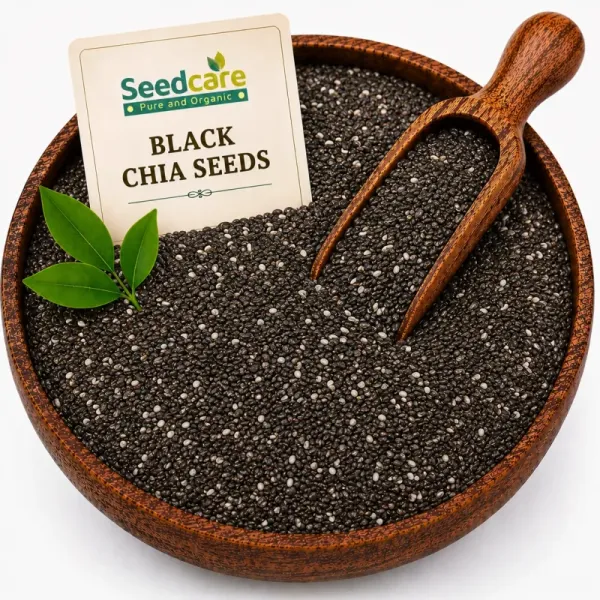
Seedcare Premium Chia Seeds — raw organic, FSSAI certified, 250g to 1kg packs, pan-India delivery at store.seedcare.in. Also available: Black Chia Seeds (nutritionally identical to white, different aesthetic). Look for FSSAI certification and clear sourcing information when buying any chia seeds.
Start With One Tablespoon
The most common mistake with chia seeds is over-complicating it. You do not need a recipe. You do not need to change your diet. Take one tablespoon, put it in your morning dahi or water, and repeat daily. In 6–8 weeks: better digestion, more consistent energy, measurable changes in post-meal blood sugar response. That is the entire protocol.
Seedcare Chia Seeds — ₹from 250g at store.seedcare.in. All seeds →
More from Seedcare
- Chia Pudding Recipe India — 8 Indian Variations (Kesar, Mango, Chocolate...)
- Chia Seeds vs Sabja Seeds — The Definitive Comparison
- Best Seeds for Weight Loss India — Evidence Guide
- Seeds for PCOS India — Hormone Balancing Complete Guide
- चिया सीड्स के फायदे — Complete Hindi Guide
- Seedcare Healthy Seeds Collection →
Tags