 Comparison Guides
⭐ Featured
Comparison Guides
⭐ Featured
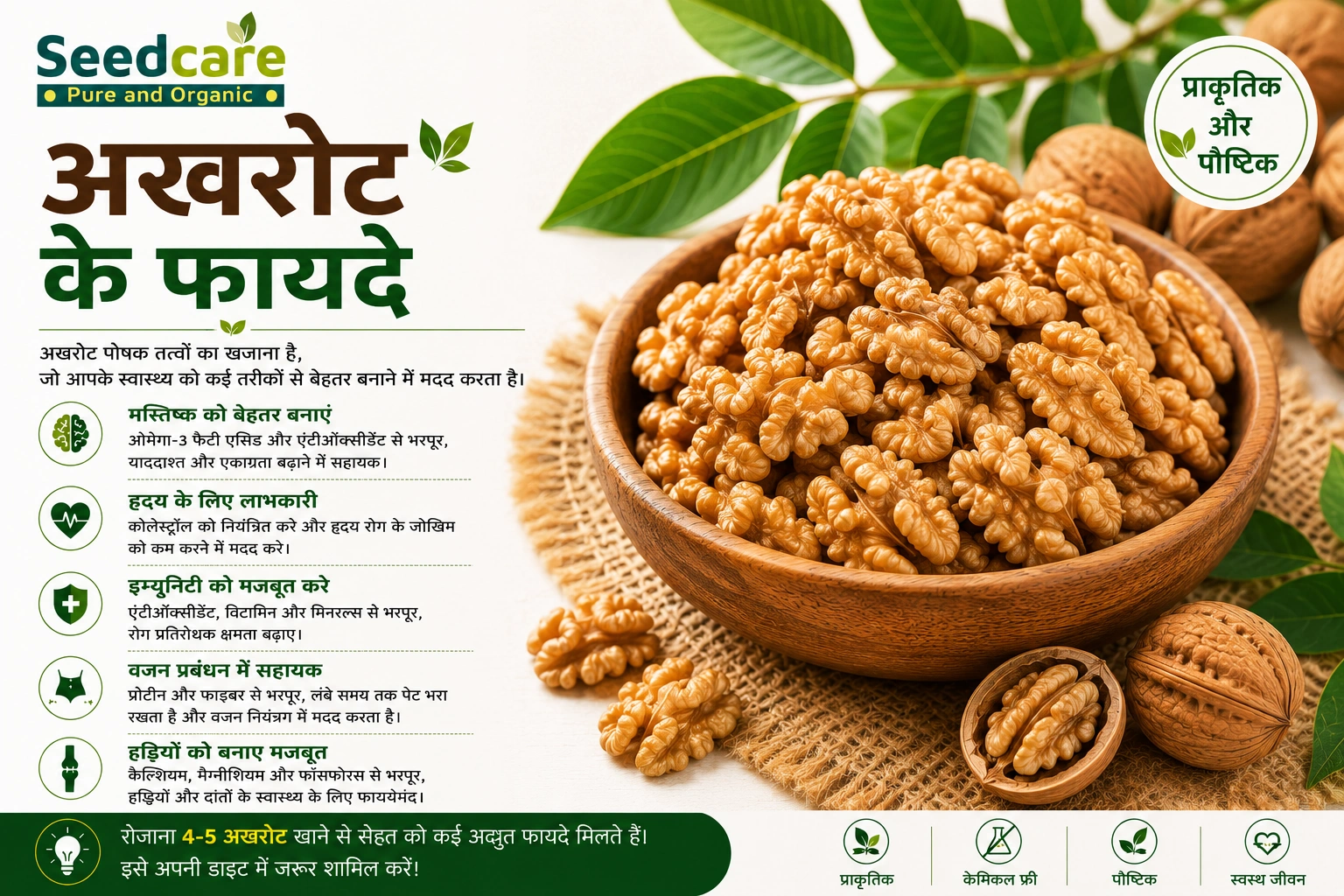
Walnuts Benefits: The Complete Evidence Guide for India (Akhrot) — 12 Proven Benefits
Complete guide to walnut benefits India (akhrot) — 12 evidence-based benefits: ALA omega-3 9.1g (highest tree nut — 70-2000× more than other nuts), 7 meta-analyses on heart health (LDL -9-10%), melatonin (only tree nut with direct sleep hormone), cancer prevention via urolithins, male fertility RCT (sperm vitality+motility improved), blood sugar, gut microbiome, anti-inflammatory, bone, skin.
In this article: What makes walnuts unique among all nuts | Complete nutrition | 12 evidence-based benefits | Omega-3 — the highest tree nut source | Brain and cognition (deep dive: separate article) | Heart — 7 meta-analyses | Cancer prevention — urolithins | Sleep — walnut contains melatonin directly | Male fertility — RCT | Blood sugar | Gut microbiome | Inflammation | Bone | Skin | Kashmiri vs California walnuts | Raw vs soaked vs roasted | 7 Indian uses including Akhrot Halwa | Dosage | Side effects | 12 FAQ
Walnuts Benefits: The Complete Evidence Guide for India (Akhrot)
Walnuts are the most studied nut in the world for health outcomes. The research base is extensive — over 700 published studies — because walnuts have a nutritional profile that is genuinely unusual among tree nuts: the highest ALA omega-3 content of any nut by a wide margin (9.1g per 100g), a unique class of anti-cancer compounds called ellagitannins that are converted by gut bacteria to urolithins, and the direct presence of melatonin — a compound almost never found in plant foods.
In India, akhrot is consumed widely — particularly in Kashmir, where Kashmiri walnuts are a prized local crop — and is used in everything from dry fruit mixes and halwa to chutneys and garnishes. This guide covers all 12 evidence-based benefits across the cardiovascular, neurological, oncological and metabolic literature, and explains what is most practically relevant for Indian daily consumption.
Hindi guide: अखरोट के फायदे — Complete Hindi Guide | Brain health deep-dive: Walnuts for Brain Health and Memory — Clinical Evidence.
What Makes Walnuts Uniquely Different from Other Nuts
| Unique Property | Detail | Why No Other Nut Matches It |
|---|---|---|
| Highest ALA omega-3 | 9.1g per 100g | Almonds: 0.004g. Cashews: 0.06g. Pistachios: 0.13g. Walnuts have 70-2,000× more omega-3 than other common nuts |
| Contains melatonin | ~3.5ng/g — measurable and bioavailable | Journal of Nutrition 2005: eating walnuts significantly increased blood melatonin levels. Melatonin is rare in plant foods — walnuts are the only tree nut with confirmed bioavailable melatonin |
| Ellagitannins → Urolithins | Gut bacteria convert walnut ellagitannins to urolithins A and B | Urolithins have anti-prostate, anti-breast, anti-colon cancer evidence in humans — not found in almonds, cashews or pistachios |
| Highest polyphenol density | 1,575mg gallic acid equivalents/100g | Almonds: 187mg. Cashews: 121mg. Walnuts have 8-13× more total polyphenols than other common nuts |
| Optimal omega-6:omega-3 ratio | 4.2:1 (linoleic:ALA) | Most nuts have ratios of 50:1 to 200:1. Walnuts are the only tree nut with a close-to-recommended omega ratio |
Walnuts: Complete Nutrition Profile
Source: USDA FoodData Central | Per 100g raw walnuts:
| Nutrient | Amount per 100g | % Daily Value | Significance |
|---|---|---|---|
| Calories | 654 kcal | — | 28g serving (14 halves) = 183 kcal |
| ALA Omega-3 | 9.1g | Highest tree nut ✅ | Heart, brain, inflammation — converts partially to EPA/DHA |
| Linoleic acid (omega-6) | 38.1g | High | Keep balanced with omega-3 sources — ratio 4.2:1 in walnuts |
| Manganese | 3.4mg | 148% ✅ | Highest manganese nut — SOD2 antioxidant, bone matrix |
| Copper | 1.6mg | 178% ✅ | Collagen, melanin, dopamine, SOD3, iron absorption |
| Phosphorus | 346mg | 49% ✅ | Bone mineralisation, ATP energy |
| Magnesium | 158mg | 38% ✅ | Insulin sensitivity, BP, sleep, ATP |
| Zinc | 3.1mg | 28% | Immunity, testosterone, skin |
| Iron | 2.9mg | 16% | Blood formation |
| Selenium | 4.9mcg | 9% | Thyroid, GPx antioxidant |
| Folate | 98mcg | 25% | Cell division, pregnancy neural tube |
| Thiamine (B1) | 0.34mg | 28% | Energy, nervous system |
| Vitamin B6 | 0.54mg | 32% | Serotonin, dopamine synthesis |
| Melatonin | ~3.5ng/g | Unique ✅ | Direct sleep hormone — bioavailable, measurably raises blood melatonin |
| Ellagitannins | Present — high | Unique ✅ | Gut converts to urolithins — anti-cancer evidence |
| Total polyphenols | 1,575mg GAE/100g | Highest nut ✅ | 8-13× more polyphenols than almonds, cashews or pistachios |
| Protein | 15.2g | 30% | Incomplete by itself — combine with legumes for complete profile |
| Fibre | 6.7g | 24% | Gut health, satiety, cholesterol |
| GI | ~15 | Very low ✅ | Safe for diabetics — one of the lowest GI foods |
12 Evidence-Based Benefits of Walnuts
1. Heart Health — The Most Studied Nut for Cardiovascular Disease
Walnuts have more cardiovascular research than any other nut — 7 meta-analyses examining their effects on lipids and heart risk markers. Journal of Nutrition 2009 umbrella review of walnut trials:
- LDL cholesterol: consistently reduced 9-10% across studies — one of the strongest dietary effects on LDL outside medication
- Total cholesterol: reduced 5-8%
- Triglycerides: ALA omega-3 significantly reduces VLDL production in the liver — triglycerides fall 5-15% consistently
- Endothelial function: the l-arginine in walnuts and the ALA omega-3 both improve the ability of blood vessels to dilate — a key early marker of cardiovascular health
- ApoB (atherogenic particle): reduces the number of atherogenic particles, not just their total cholesterol content — a more accurate cardiovascular risk marker
| Cardiovascular Marker | Effect from Regular Walnut Consumption | Evidence Strength |
|---|---|---|
| LDL cholesterol | −9 to −10% in meta-analyses | Very strong — multiple RCTs and meta-analyses |
| Triglycerides | −5 to −15% | Strong — ALA omega-3 mechanism well established |
| Total cholesterol | −5 to −8% | Strong |
| ApoB particles | Significant reduction | Moderate — emerging evidence |
| Endothelial function | Improved — measurable vasodilation | Moderate — multiple mechanisms |
| Blood pressure | Modest reduction | Moderate — potassium + magnesium + ALA |
2. Brain Health and Cognition
Walnuts are the "brain nut" — both in appearance (the walnut kernel resembles a brain) and in evidence. ALA omega-3, polyphenols and melatonin all support neurological health through distinct mechanisms. We have a dedicated deep-dive article on this topic: Walnuts for Brain Health and Memory — Complete Clinical Evidence.
Key mechanisms briefly:
- ALA omega-3 partially converts to DHA — the primary structural fat in brain cell membranes and synaptic connections
- Walnut polyphenols (ellagic acid, gallic acid) reduce neuroinflammation — the driver of cognitive decline and depression
- Melatonin: direct neuroprotective effect — scavenges free radicals in brain tissue, protects against beta-amyloid accumulation
- Nutrients 2020: regular walnut consumption significantly improved cognitive performance in adults over 64 in a 2-year intervention study
3. Cancer Prevention — Urolithins from Ellagitannins
Molecular Nutrition and Food Research 2010: Walnuts contain ellagitannins (principally pedunculagin) that gut bacteria convert to urolithin A and urolithin B. Urolithins have shown significant anti-cancer activity in preclinical and epidemiological studies:
- Prostate cancer: urolithins suppress androgen receptor signalling — the primary driver of prostate cancer cell proliferation. Epidemiological: regular walnut consumption associated with lower prostate cancer incidence
- Breast cancer: urolithins inhibit aromatase (oestrogen synthesis enzyme) and reduce oestrogen receptor activity — relevant for oestrogen-driven breast cancer risk reduction
- Colon cancer: urolithins inhibit colon cancer cell proliferation and promote apoptosis in multiple cell line studies
- Important caveat: urolithin production depends on having the right gut bacteria (Gordonibacter and Ellagibacter species). Approximately 40% of people are non-producers or low-producers. Eating walnuts consistently while maintaining good gut microbiome (through fibre and probiotic foods) maximises urolithin production
Urolithins — why this is unique to walnuts
No other common nut generates urolithins. Pomegranate is the other major urolithin source — but at Indian prices and availability, walnuts are the far more practical daily source of ellagitannin precursors. The combination of gut microbiome diversity (supported by walnut fibre and polyphenols) and urolithin production may be part of the mechanism behind walnut-associated cancer risk reduction.
4. Sleep — The Only Nut with Direct Melatonin
Journal of Nutrition 2005: Walnuts contain approximately 3.5ng melatonin per gram — and eating walnuts measurably increases blood melatonin levels. This was the first demonstration that dietary melatonin from a whole food could raise plasma melatonin significantly enough to affect sleep.
- Melatonin in walnuts: 3.5ng/g — small in absolute terms but bioavailable and measurably detected in blood after consumption
- Tryptophan (present in walnut protein): precursor to serotonin → melatonin conversion pathway — supports endogenous melatonin production
- Magnesium (38% DV): GABA receptor activation — reduces anxiety and promotes relaxed, drowsy state before sleep
- Practical: 4-6 walnuts (20-25g) consumed 1-2 hours before bed combines all three sleep-supporting mechanisms simultaneously
The evening walnut habit
4-6 walnut halves with a small glass of warm milk 60 minutes before bed is the most evidence-aligned sleep nutrition habit available in India. The walnut melatonin + tryptophan + magnesium combination, combined with milk's casein protein and tryptophan, provides all precursors for natural melatonin synthesis. Traditional Indian practice of warm milk before bed has this nutritional basis.
5. Male Fertility — The Strongest Nut RCT Evidence
Biology of Reproduction 2012 — RCT: 117 healthy young Western men who added 75g walnuts daily to their usual diet for 12 weeks showed significantly improved:
- Sperm vitality: +8% improvement vs control
- Sperm motility: +6% improvement
- Sperm morphology (normal forms): significantly improved vs control
- ALA omega-3: the primary mechanism — sperm membranes are approximately 50% DHA (omega-3 fatty acid), and adequate dietary ALA improves sperm membrane fluidity, which directly enables the tail movements required for motility
- Antioxidants (polyphenols, Vit E): reduce oxidative damage to sperm DNA — sperm cells are highly vulnerable to ROS due to their minimal antioxidant enzyme capacity
- Arginine (in walnut protein): supports penile vasodilation → nitric oxide mechanism
India's male fertility context
Male factor infertility affects 50% of infertile Indian couples. Sperm quality has declined measurably across India over the past 20 years, driven by environmental toxins, sedentary lifestyle and poor dietary ALA. Walnuts are the most ALA-rich tree nut and have the only published male fertility RCT with positive results. 75g daily (the trial dose) is aggressive — 30-40g daily is a practical starting point.
6. Blood Sugar Control
Diabetes Care 2012 — cross-sectional and interventional studies: regular walnut consumption associated with significantly lower prevalence of Type 2 diabetes. Mechanisms:
- GI approximately 15 — one of the lowest GI foods available
- ALA omega-3: improves adiponectin levels — the fat-derived hormone that enhances insulin sensitivity in muscle and liver
- Magnesium (38% DV): directly improves insulin receptor sensitivity
- Polyphenols: inhibit alpha-glucosidase and alpha-amylase — enzymes that break down dietary starch into glucose, slowing the absorption curve
- Fibre (6.7g): slows gastric emptying and glucose absorption
Complete low-GI dry fruit guide: Dry Fruits for Diabetics India.
7. Gut Microbiome
Journal of Nutrition 2018 — the most rigorous gut microbiome walnut trial: consuming 43g walnuts daily for 8 weeks significantly increased populations of Faecalibacterium prausnitzii, Roseburia, and Clostridiales — bacteria associated with anti-inflammatory short-chain fatty acid production and reduced colon cancer risk.
- Fibre (6.7g/100g): prebiotic — feeds beneficial bacteria that produce butyrate, the primary colon-protective SCFA
- Polyphenols: the walnut polyphenol metabolites act as secondary prebiotics that selectively inhibit pathogenic bacteria while supporting commensal species
- Ellagitannins: the microbiome diversity improvement from walnuts is directly linked to which bacteria can convert ellagitannins to urolithins — creating a virtuous cycle where walnuts improve the very bacteria needed to activate walnut's anti-cancer properties
8. Anti-Inflammatory — Most Anti-Inflammatory Tree Nut
Nutrients 2015: ALA omega-3 reduces production of pro-inflammatory cytokines (IL-6, TNF-α, CRP) through multiple pathways. Walnuts have the strongest anti-inflammatory profile of any tree nut because:
- ALA 9.1g/100g: converts to EPA which produces resolvins and protectins — the body's own inflammation-resolution compounds
- Total polyphenols 1,575mg GAE/100g: ellagic acid, gallic acid and catechins directly inhibit NF-κB — the master inflammatory transcription factor
- The omega-6:omega-3 ratio of 4.2:1 is close to the recommended 4:1 — compared to most nuts at 50:1 to 200:1
| Omega-6:Omega-3 Ratio | Value | Assessment |
|---|---|---|
| Walnuts | 4.2:1 ✅ | Excellent — close to recommended 4:1 |
| Chia seeds | 0.3:1 ✅ | Even better ratio — omega-3 dominant |
| Flax seeds | 0.3:1 ✅ | Omega-3 dominant |
| Pistachios | 51:1 ⚠️ | High omega-6 — balance with other foods |
| Almonds | 2,048:1 ⚠️ | Almost no omega-3 |
| Cashews | 130:1 ⚠️ | Very low omega-3 |
| Sunflower oil (for context) | ~200:1 ⚠️ | Very high omega-6 |
9. Weight Management
NEJM long-term diet study: regular nut consumers (including walnut eaters) gain less weight over 20 years despite nuts being calorie-dense. Specific walnut mechanisms:
- Protein (15.2g) + fibre (6.7g) + fat: the triple-satiety combination triggers GLP-1, PYY and CCK simultaneously for 3-4 hour satiety
- Cell wall intact: significant portion of walnut fat (10-15%) is not absorbed — the plant cell walls trap fat in pieces that resist complete digestion
- ALA omega-3: increases fat oxidation rate — the body burns fat faster when omega-3 status is adequate
- Polyphenols: suppress adipogenesis (fat cell formation) via PPAR-γ inhibition in preclinical studies
10. Bone Strength
- Manganese (148% DV): the most important walnut mineral for bone — activates the enzymes for chondroitin sulphate synthesis in cartilage and osteocalcin in bone matrix
- Copper (178% DV): activates lysyl oxidase — cross-links collagen fibres in bone tissue for structural integrity
- Phosphorus (49% DV): forms hydroxyapatite crystal structure in bone alongside calcium
- Magnesium (38% DV): activates Vitamin D for calcium absorption regulation
- ALA omega-3: reduces osteoclast activity — the cells that resorb bone. Omega-3 supports bone density retention, particularly post-menopause
11. Skin and Anti-Ageing
- ALA omega-3: maintains skin cell membrane phospholipid composition — reduces transepidermal water loss (dry skin), improves barrier function
- Copper (178% DV): tyrosinase (melanin for even skin tone) and lysyl oxidase (collagen firmness)
- Polyphenols (gallic acid, ellagic acid): inhibit MMP-1 — the UV-activated enzyme that degrades skin collagen
- Vitamin E (present): protects skin lipids from peroxidation
- Melatonin: potent antioxidant in skin cells — scavenges free radicals generated by UV exposure
12. Hormonal Health and PCOS
- ALA omega-3: reduces the insulin resistance that is the primary metabolic driver of PCOS — improving ovarian function and menstrual regularity
- Magnesium (38% DV): reduces cortisol, which worsens insulin resistance and PCOS symptoms
- Polyphenols: anti-androgenic properties — reduce DHT and excess androgen signalling in conditions like PCOS and androgenetic alopecia
- Copper (178% DV): supports adrenal gland function — adrenal androgens contribute to PCOS; copper is required for adrenal enzyme function
Kashmiri Walnuts vs California Walnuts
| Property | Kashmiri Walnuts | California Walnuts |
|---|---|---|
| Origin | Kashmir, Himachal Pradesh, Uttarakhand | California, USA (Chandler, Hartley varieties) |
| Shell thickness | Thinner — easier to crack | Thicker shell variety — machine cracked commercially |
| Taste | Richer, more complex, slightly bitter — traditional flavour ✅ | Milder, cleaner, consistent |
| Oil content | Higher — more omega-3 per kernel ✅ | Standard omega-3 content |
| Kernel colour | Creamy to light amber | Very light, pale — visually premium ✅ |
| Freshness window | Shorter — higher oil goes rancid faster | Longer shelf life ✅ |
| Availability | Seasonal (Oct-Dec harvest) — buy fresh | Year-round from cold storage |
| Price | Variable — premium in season | Standard pricing year-round |
| Best for | Eating fresh in season — maximum flavour and omega-3 ✅ | Year-round daily use — consistent, convenient ✅ |
Raw vs Soaked vs Roasted Walnuts
| Form | Omega-3 (ALA) | Polyphenols | Digestibility | Best Use |
|---|---|---|---|---|
| Raw (skin on) | 100% | 100% ✅ | Good | General snacking, cooking — maximum polyphenols in brown skin |
| Soaked (8 hrs) ✅ | 100% | ~90% | Best ✅ | Daily use — phytic acid reduced, easier digestion, better taste |
| Raw, skin removed | 100% | ~50% ❌ | Better | For those who find walnut bitter — but loses polyphenols from skin |
| Lightly roasted (150°C) | ~85-90% | ~80% | Good | Cooking, baking — some ALA loss from heat |
| Heavily roasted | ~70-75% ❌ | ~60% ❌ | Good | Avoid for health purposes — significant ALA destruction |
Keep the skin — that's where the medicine is
The brown papery skin on walnut kernels contains the majority of the ellagitannins and polyphenols that give walnuts their anti-cancer and anti-inflammatory properties. Peeling the skin off dramatically reduces these benefits. The slight bitterness from the skin is the taste of these polyphenols. Soaking walnuts overnight reduces bitterness significantly while preserving 90%+ of the polyphenols.
7 Indian Uses for Walnuts
1. Daily Handful — The Foundation Habit
4-5 soaked walnut halves (28-30g) every morning, skin on. 183 kcal, 2.6g omega-3, 4.3g protein, 1.9g fibre, measurable melatonin precursors. The most impactful single daily food change for cardiovascular and neurological health. Takes 20 seconds.
2. Akhrot Halwa (Traditional North Indian)
| Ingredient | Amount |
|---|---|
| Walnuts (roughly chopped) | 200g |
| Ghee | 4 tbsp |
| Sugar or jaggery | 80g |
| Milk | 400ml |
| Cardamom | 1 tsp |
| Saffron (soaked) | few strands |
Roast walnut pieces in ghee until fragrant (3-4 min, low heat). Add milk, cook down 10 min. Add sugar, cardamom, saffron. Cook until thick halwa consistency. Traditional Kashmiri and North Indian preparation. ALA omega-3 is sensitive to heat — the lower-temperature ghee roasting preserves most omega-3. The ghee additionally improves fat-soluble polyphenol absorption. Festival sweet with genuine brain and heart nutrition.
3. Overnight Soaked Walnut Protocol
5-6 walnut halves + cold water, soaked overnight in a small bowl. In the morning: drain, eat with skin on. Phytic acid reduces 20-30% (improves mineral absorption). Bitterness reduces significantly. Enzyme inhibitors reduced (better digestion). The tannin-rich skin is preserved. Takes 5 seconds to set up the night before. The optimal daily walnut consumption method.
4. Akhrot Chutney (Kashmiri and Himachali)
50g walnuts + 1 green chilli + garlic + coriander + lemon + salt. Grind coarsely. Omega-3-rich condiment that pairs with rice, roti or as a dip. High polyphenol content from raw unheated walnuts. Refrigerates 3-4 days. A traditional North Indian preparation that delivers therapeutic omega-3 in every serving.
5. In Overnight Oats or Morning Dahi
5-6 roughly chopped walnut halves mixed into overnight oats or dahi with banana and honey. Omega-3 + protein + fibre first thing in the morning. The ALA from walnuts begins converting to EPA within hours of consumption. The walnut-dahi-banana combination covers carbohydrate, protein, fat and micronutrient bases simultaneously.
6. Walnut Banana Smoothie (Pre-Workout)
8 walnut halves + 1 banana + 200ml milk + pinch cinnamon. Blend. Omega-3 (muscle recovery, anti-inflammatory) + banana carbohydrates (fast energy) + milk protein (muscle synthesis). Better than commercial protein shakes for most recreational athletes. The ALA and antioxidants reduce post-workout DOMS (muscle soreness).
7. Night Milk with Walnuts (Sleep Protocol)
4 walnut halves + warm milk + pinch nutmeg, 60 minutes before bed. Direct melatonin from walnuts + tryptophan from milk + magnesium from walnuts + casein protein for overnight muscle repair. The most evidence-aligned sleep nutrition habit from Indian kitchen ingredients.
Walnuts vs Other Nuts
| Property | Walnuts | Almonds | Pistachios | Cashews |
|---|---|---|---|---|
| ALA Omega-3 | 9.1g ✅ (unique) | 0.004g | 0.13g | 0.06g |
| Polyphenols | 1,575mg ✅ | 187mg | ~800mg | 121mg |
| Melatonin | Present ✅ (unique) | None | None | None |
| Urolithins | Precursors ✅ | None | Low | None |
| Manganese | 148% DV ✅ | 104% | 52% | 72% |
| GI | ~15 ✅ | ~15 ✅ | ~15 ✅ | ~25 |
| Vitamin E | 2mg | 26mg ✅ | 22mg | 5mg |
| B6 | 32% | ~10% | 100% ✅ | 25% |
| Lutein+Zeaxanthin | 9mcg | 1mcg | 2,903mcg ✅ | 22mcg |
| Best for | Omega-3, brain, heart, cancer, sleep, fertility | Vitamin E, skin, calcium | GI, eyes, B6, gut | Copper, iron, mood |
Daily Dosage Guide
| Goal | Daily Amount | Form | Timing |
|---|---|---|---|
| General health | 28-30g (14 halves) | Soaked, skin on | Morning |
| Heart health | 40-50g | Raw or soaked, skin on | Consistent daily — effect at 4+ weeks |
| Brain health | 30-40g | Soaked, skin on | Morning — brain article |
| Male fertility | 75g (trial dose) | Raw or soaked | Split into 2 servings — 37.5g morning + evening |
| Sleep support | 20-25g (4-6 halves) | Any form | 60-90 min before bed — with warm milk |
| Inflammation reduction | 30-40g | Soaked, skin on | Morning — ALA effect cumulative |
| Blood sugar (diabetics) | 28g | Any unsalted form | Before meals — see diabetics guide |
| Weight management | 28g measured | Raw, skin on | 15 min before meal — satiety effect |
| PCOS / hormonal health | 28-30g | Soaked | Morning — ALA + magnesium combination |
| Children (5+) | 2-3 halves (8-10g) | Soaked, skin on | Morning — brain development support |
Side Effects and Precautions
| Concern | Detail | Who | Action |
|---|---|---|---|
| Walnut allergy | Tree nut allergy — can be severe. Cross-reactive with other Juglans species | Anyone with tree nut allergy | Avoid entirely if diagnosed. Test 1 walnut first if new to nuts. |
| Caloric density | 654 kcal/100g — manageable at 28g but easy to overeat | Weight management | Measure 14 halves. Do not eat from the bag. |
| High omega-6 | 38.1g linoleic acid — but ratio is 4.2:1 (excellent) | Anyone concerned about omega-6 | Not a concern for walnuts specifically — ratio is far better than other nuts |
| Oxalates | Moderate oxalate content — less than spinach | Kidney stone (calcium oxalate) history | Limit to 14-20g daily if history; stay well hydrated |
| Blood thinners | ALA omega-3 has mild antiplatelet effect | On warfarin or clopidogrel | Inform doctor; maintain consistent daily amount |
| Rancidity | High ALA content means walnuts go rancid faster than other nuts | Everyone | Refrigerate after opening; discard any that smell paint-like or bitter |
Freshness check
Walnuts are more perishable than other nuts because of their high ALA omega-3 content — unsaturated fats oxidise faster than saturated fats. A fresh walnut should smell nutty and mild. A rancid walnut smells like oil paint or crayon. Rancid walnuts are not dangerous but have lost their omega-3 benefit and the oxidised fats may be counter-productive. Buy in moderate quantities, refrigerate after opening, and consume within 3 months of opening.
Frequently Asked Questions
What are the main benefits of walnuts?
Walnuts have 12 evidence-based benefits. Most distinctive: (1) ALA omega-3 9.1g/100g — highest tree nut, 70-2000× more than other nuts; (2) 7 meta-analyses confirming LDL cholesterol reduction 9-10%; (3) Cancer prevention via urolithins (gut converts ellagitannins); (4) Sleep — the only tree nut with direct melatonin; (5) Male fertility RCT (improved sperm vitality, motility, morphology). Hindi guide: अखरोट के फायदे. Brain deep-dive: Walnuts for Brain Health.
How many walnuts per day?
28-30g (14 walnut halves) is the evidence-based daily amount for general health — 183 kcal, 2.6g omega-3. For heart health: 40-50g (used in most cardiovascular trials). For male fertility: 75g (the trial dose — split into two servings). For sleep: 20-25g before bed. Always soaked, skin on, for maximum benefit.
Are walnuts good for the brain?
Yes — the most evidence-backed nut for brain health. ALA omega-3 (9.1g/100g) partially converts to DHA, the primary structural fat in brain cell membranes. Walnut polyphenols reduce neuroinflammation. Direct melatonin provides neuroprotective antioxidant activity. 2-year intervention study: regular walnut consumption significantly improved cognitive performance in adults over 64. Deep-dive article: Walnuts for Brain Health and Memory.
Are walnuts good for the heart?
Walnuts are the most studied nut for cardiovascular health — 7 meta-analyses. Consistent findings: LDL reduction 9-10%, triglyceride reduction 5-15%, improved endothelial function. Journal of Nutrition 2009: comprehensive review confirmed these effects across multiple study designs. ALA omega-3 + phytosterols + fibre + MUFA work simultaneously on different cholesterol pathways.
Can walnuts improve sleep?
Yes — walnuts are the only tree nut that contains direct, bioavailable melatonin. Journal of Nutrition 2005: eating walnuts measurably increased blood melatonin levels. Combined with tryptophan (serotonin/melatonin precursor) and magnesium (GABA activation), 4-6 walnut halves 60-90 minutes before bed is evidence-supported for sleep quality improvement.
Are walnuts good for male fertility?
Biology of Reproduction 2012 — RCT: 75g walnuts daily for 12 weeks significantly improved sperm vitality, motility and morphology. ALA omega-3 is incorporated into sperm membranes, improving their fluidity and tail movement. Antioxidants protect sperm DNA from oxidative damage. For male fertility: walnuts are the only nut with a published positive fertility RCT.
Walnuts vs almonds — which is better?
Walnuts are better for: omega-3 (9.1g vs 0.004g — not even comparable), polyphenols (1,575mg vs 187mg), melatonin (present vs none), anti-inflammatory profile, heart and brain health. Almonds are better for: Vitamin E (26mg vs 2mg), calcium (7% DV vs 2%), and they are more affordable at consistent quality. Eat both — they are the most complementary nut pair.
Should I eat walnuts raw or soaked?
Soaked is better. Soak walnut halves overnight (8 hours) in cold water. Drain in the morning. Eat with the skin on. Soaking reduces phytic acid (better mineral absorption), enzyme inhibitors (easier digestion) and bitterness (better taste) — while preserving 90%+ of the omega-3 and polyphenols. The skin remains on and that's important: the skin is where most of the polyphenols and ellagitannins are concentrated.
Are walnuts good for diabetics?
Walnuts have GI approximately 15 — among the lowest foods available. ALA omega-3 improves insulin sensitivity through adiponectin. Polyphenols inhibit starch-digesting enzymes. Magnesium (38% DV) improves insulin receptor function. Diabetes Care 2012: regular walnut consumption associated with significantly lower T2D prevalence. Full guide: Dry Fruits for Diabetics India.
Why do walnuts look like brains?
The resemblance of walnut kernels to a human brain — two hemispheres, folded surface, brown protective layer — is a biological coincidence (the Doctrine of Signatures historically attributed medicinal significance to this resemblance). The scientific connection is real but different: walnuts are genuinely the most brain-supportive nut because of ALA omega-3, polyphenols and melatonin — not because of their appearance. The coincidence is striking enough that most brain health articles about walnuts reference it.
How to store walnuts to prevent rancidity?
Walnuts have the highest ALA omega-3 of any tree nut — this makes them more perishable than almonds, cashews or pistachios. Store in an airtight container in the refrigerator (up to 6 months) or freezer (up to 1 year). At room temperature: up to 3 months if sealed. Signs of rancidity: paint-like or crayon smell, bitter-soap taste. Discard rancid walnuts — the oxidised omega-3 is counter-productive. Buy fresh in moderate quantities rather than large amounts stored long-term.
Where to buy quality walnuts in India?
Seedcare California Walnuts — light-coloured (freshness indicator), FSSAI certified, sealed for freshness. 250g to 1kg at store.seedcare.in. When buying: look for light amber to cream colour kernels (dark brown = older, more oxidised), no rancid smell when packet is opened, no shrivelling. Kashmiri walnuts are premium in season (October-December) but require faster consumption due to higher oil content. All nuts →.
14 Halves. Every Morning. Soaked.
No other tree nut gives you 9.1g omega-3 per 100g. No other tree nut contains melatonin. No other tree nut has 7 meta-analyses for heart health, a male fertility RCT, and the anti-cancer urolithin mechanism. Soak 14 walnut halves tonight. Eat them in the morning with the skin on. Do it every day for 8 weeks. Then check your lipid panel.
Seedcare California Walnuts — fresh, FSSAI certified. All nuts →.
More from Seedcare
Related Articles