
In this article: India's diabetes crisis | Why dry fruits are different from other carbs | The complete GI master table | Safe (GI 0–15) | Moderate (GI 16–55) | Avoid (GI 65+) | The pre-meal nuts trick | Portion guide | Best time to eat | HbA1c impact | 5 diabetic recipes | What to always avoid | 12 FAQ
Dry Fruits for Diabetics in India: The Evidence-Based Guide Most Articles Get Wrong
India has more diabetics than any other country — International Diabetes Federation 2023 estimates 101 million Indians are living with diabetes, with another 136 million in the pre-diabetic range. That is more people than the entire population of Germany, France and Italy combined.
For these 237 million Indians, one question recurs endlessly in doctor's offices, WhatsApp groups and family kitchens: Can I eat dry fruits? Which ones? How much? When?
Most answers online are either too vague ("eat in moderation") or too restrictive ("avoid all dry fruits"). Both are wrong. The truth is more nuanced and more empowering: most nuts are effectively GI 0 and can be eaten freely with appropriate portion control, while dried fruits range from very safe (prunes, dates) to genuinely risky (sweetened cranberries, dried mango). The difference matters enormously.
This guide is built on clinical evidence, not general advice. Every recommendation below has a peer-reviewed basis.
Important disclaimer
This article provides evidence-based nutritional information. It is not a substitute for your endocrinologist's advice. Every diabetic responds differently to foods. If you are on insulin, sulfonylureas, or other glucose-lowering medications, discuss dietary changes with your doctor. Always monitor your blood glucose to understand your personal response.
Why Dry Fruits and Nuts Are Different from Other Carbohydrates for Diabetics
Most carbohydrate-containing foods raise blood sugar because their glucose is quickly absorbed. Dry fruits — particularly nuts — are fundamentally different for three reasons:
| Mechanism | How It Works | Effect on Blood Sugar |
|---|---|---|
| Fat content slows absorption | Fat in nuts slows gastric emptying — food moves more slowly from stomach to small intestine | Glucose enters bloodstream 30–50% more slowly than from low-fat carbs |
| Protein creates satiety | Protein in nuts triggers GLP-1 and PYY (satiety hormones) that also slow gut motility | Additional slowing of glucose absorption + reduced appetite for high-GI foods |
| Fibre forms a gel barrier | Soluble fibre in many dry fruits forms a gel in the intestine that physically slows glucose diffusion | Particularly important in dates (6.7g fibre), prunes (7.1g), figs (9.8g) |
| Magnesium improves insulin sensitivity | Almonds, cashews and pumpkin seeds are high in magnesium — which improves insulin receptor sensitivity | Cells respond better to insulin → lower glucose for same insulin dose |
| Polyphenols inhibit glucose enzymes | Flavonoids in walnuts, pistachios and goji berries inhibit alpha-glucosidase — the enzyme that breaks starch into glucose | Less glucose released from any carbohydrates eaten alongside nuts |
Complete GI Table: Every Common Dry Fruit Ranked for Diabetics
Sources: USDA FoodData Central, International Glycaemic Index tables, and peer-reviewed nutritional analyses. GI values are for unsweetened, plain preparations.
| Dry Fruit / Nut | GI | Traffic Light | Daily Safe Amount (diabetic) | Notes |
|---|---|---|---|---|
| Almonds | 0 | 🟢 Free | 23 whole (28g) | GI essentially zero — protein and fat dominant |
| Mamra Almonds | 0 | 🟢 Free | 5–7 soaked kernels | Same GI as California — wild variety |
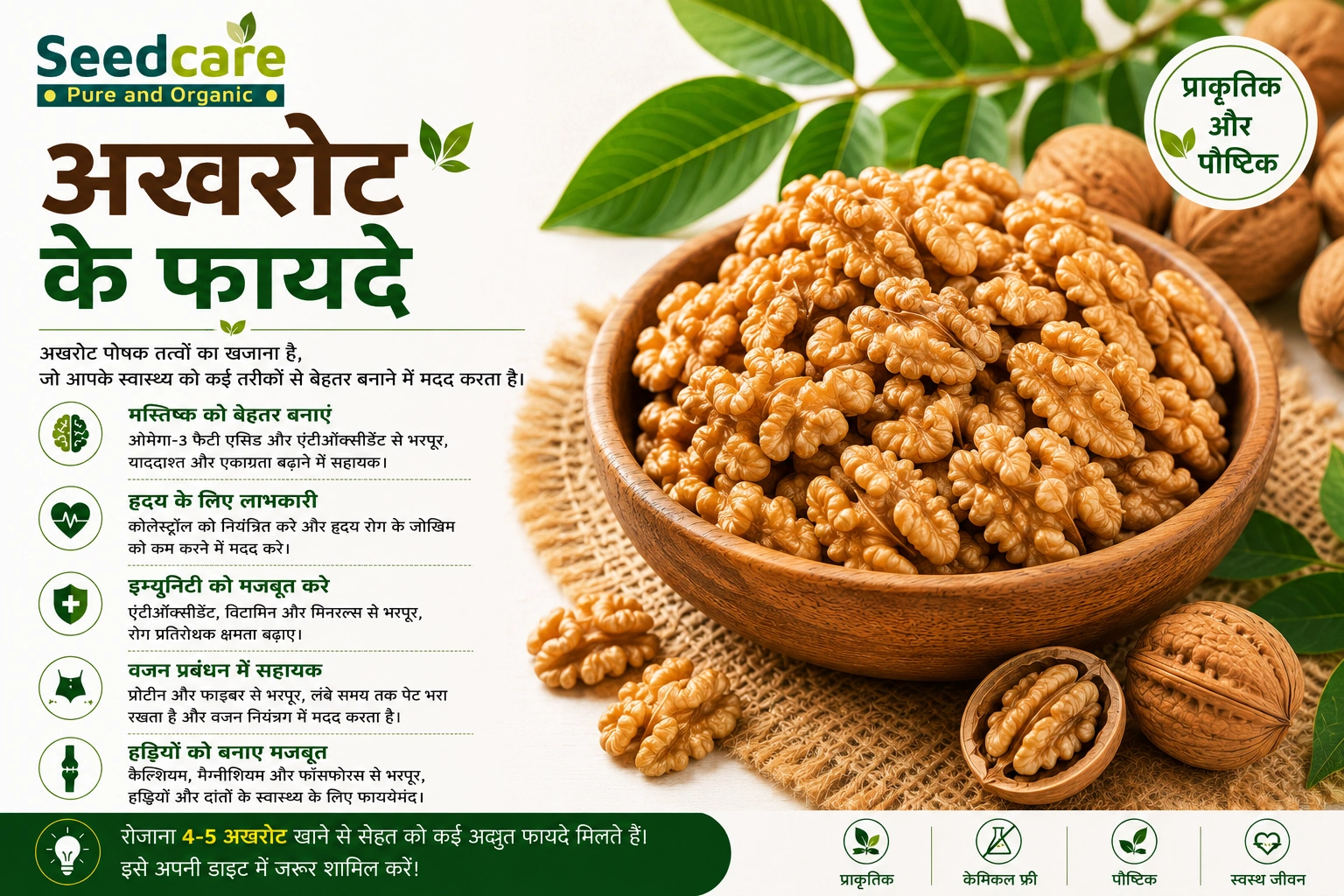
| Walnuts | ~15 | 🟢 Free | 7–8 halves (28g) | Very low GI, omega-3 improves insulin sensitivity |
| Cashews | 25 | 🟢 Free | 18–20 whole (28g) | Slightly higher GI but protein and fat dominate |
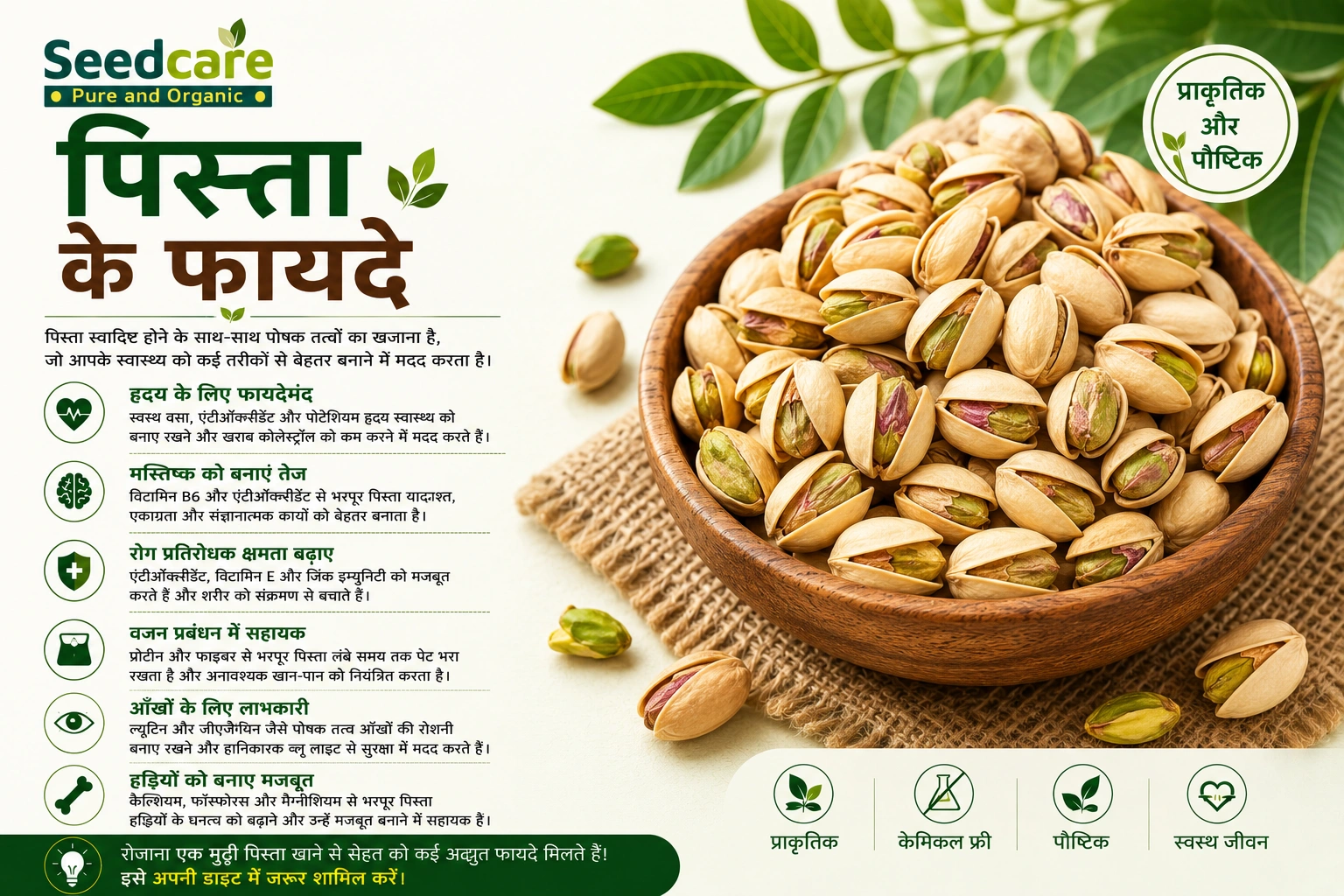
| Pistachios | <15 | 🟢 Free | 49 kernels (28g) | Lowest GI of all nuts; post-meal glucose reduced in studies |
| Pumpkin Seeds | ~25 | 🟢 Free | 2–3 tbsp (28–30g) | High protein, zinc — improves insulin function |
| Makhana (Fox Nuts) | 52 | 🟡 Moderate | 30–40g roasted (plain) | Low GI for a snack food; high protein vs popcorn |
| Prunes | 29 | 🟢 Free–Moderate | 4–5 daily (50g) | Lowest GI sweet dry fruit; sorbitol helps |
| Kimia Dates | 48–54 | 🟡 Moderate | 1–2 maximum | Always with protein; monitor individually |
| Medjool Dates | 50–55 | 🟡 Moderate | 1 maximum | Larger — more calories per date; cautious use |
| Dried Apricots (unsulphured) | 31 | 🟢 Moderate | 3–4 (40g) | Good fibre; Vitamin A bonus |
| Dried Figs (Anjeer) | 61 | 🟡 Moderate–High | 1–2 maximum | High fibre but high natural sugar — limit strictly |
| Goji Berries | ~53 | 🟡 Moderate | 20–30g | Polysaccharides may improve insulin sensitivity |
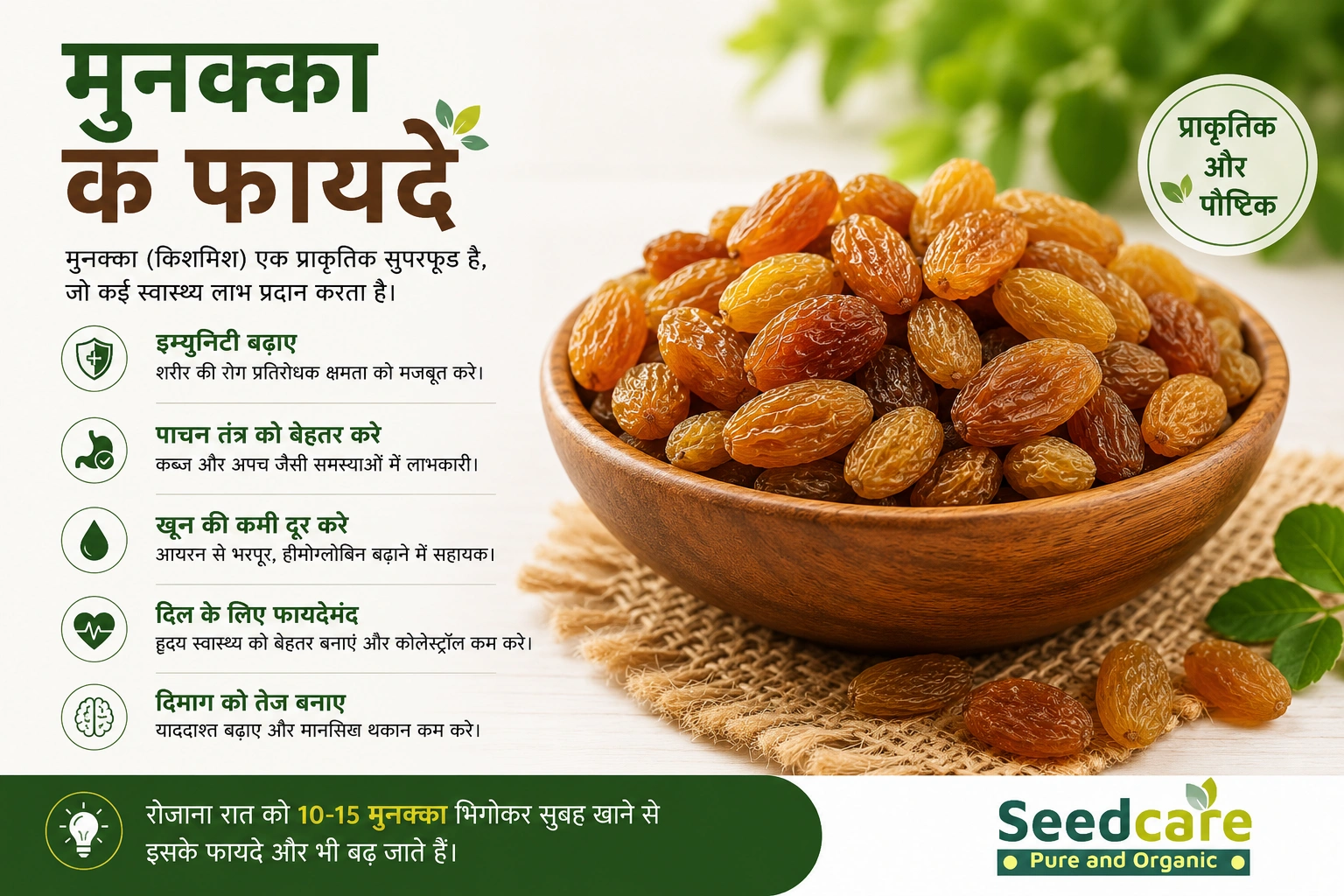
| Raisins (Kishmish) | 64 | 🔴 Limit | 10–15g maximum | High GI for dried fruit — small amounts only |
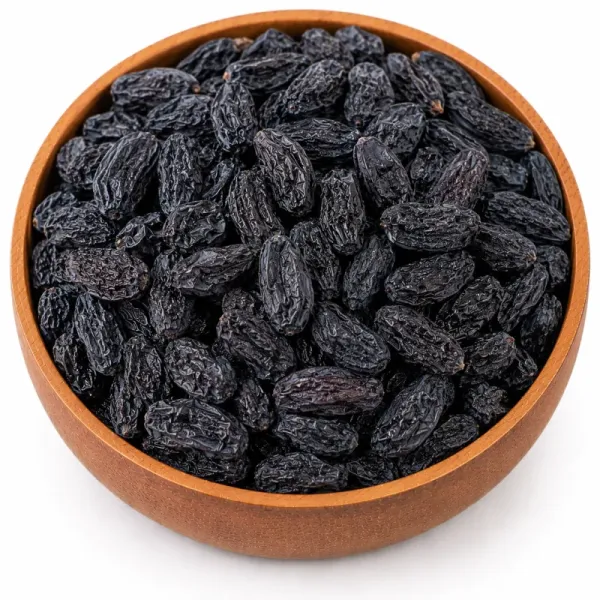
| Black Raisins (Munakka) | ~60 | 🔴 Limit | 10–15g maximum | Slightly better than golden raisins — still limit |
| Dried Cranberries (sweetened) | ~64–70 | 🔴 Avoid | Avoid (added sugar) | Most commercial cranberries have added sugar — check label |
| Dried Mango | ~55–65 | 🔴 Avoid | Avoid | Very high natural sugar concentration |
| Dried Banana Chips | ~70+ | 🔴 Avoid | Avoid | High GI, usually fried |
| Honey-roasted nuts | Elevated | 🔴 Avoid | Avoid | Added sugar negates the low-GI of plain nuts |
Category 1: Eat Freely (GI 0–25) — Your Daily Diabetic Snack Arsenal
These nuts have GI values so low that they are essentially safe for all Type 2 diabetics at appropriate portions. They do not cause blood sugar spikes and actively help manage glucose through multiple mechanisms:
| Nut | GI | Why Safe | Diabetic Bonus | Daily Serving |
|---|---|---|---|---|
| Almonds | 0 | Fat + protein + fibre dominant | Magnesium improves insulin receptor sensitivity | 23 whole (28g) |
| Walnuts | ~15 | Omega-3 + polyphenols | Improves insulin sensitivity directly | 7–8 halves (28g) |
| Cashews | 25 | MUFA + copper + protein | Linked to lower HbA1c in regular consumers | 18–20 whole (28g) |
| Pistachios | <15 | Lowest GI of all nuts | Reduces post-meal glucose 20–30% in studies | 49 kernels (28g) |
| Pumpkin Seeds | ~25 | High protein, low carb | Zinc improves insulin function | 2–3 tbsp (28g) |
The clinical evidence for pre-meal nuts is particularly strong. European Journal of Clinical Nutrition 2011: eating 30–60g almonds before a high-carbohydrate meal reduced post-meal glucose by 25–30% in Type 2 diabetic patients. This "pre-loading" effect is one of the most practical evidence-based strategies for Indian diabetics who regularly eat rice and rotis.
The Pre-Meal Nuts Protocol for Indian Diabetics
15 minutes before lunch or dinner: eat 10–15 almonds or 5 walnut halves. This reduces post-meal glucose by 25–30% through slowing gastric emptying and triggering satiety hormones. No medication required. No change to the meal. Remarkably consistent in clinical data.
Category 2: Moderate Carefully (GI 29–55) — With Portion Control
These dried fruits have meaningful natural sugar but sufficient fibre and bioactive compounds to keep GI in the low-to-moderate range. They are not off-limits — but portion control is essential, and eating them with protein significantly improves the blood sugar outcome.
| Dried Fruit | GI | Safe Daily Amount | Always Combine With | Special Notes |
|---|---|---|---|---|
| Prunes | 29 | 4–5 (50g) | Water + 10 almonds | Lowest GI sweet dry fruit — sorbitol and fibre both help |
| Dried Apricots | 31 | 3–4 (40g) | 5 walnuts or dahi | Vitamin A benefit; prefer unsulphured variety |
| Kimia Dates | 48–54 | 1–2 maximum | Water first + 10 almonds | Monitor BG individually; never eat alone or on empty stomach |
| Makhana | 52 | 30–40g plain roasted | Good standalone or with nuts | Avoid flavoured varieties with added sugar |
| Goji Berries | ~53 | 20–30g | Mix into plain curd | Polysaccharides may improve insulin sensitivity directly |
| Dried Figs (Anjeer) | 61 | 1–2 maximum | Always with 10 almonds | High fibre is protective but natural sugar still significant |
Category 3: Avoid or Strictly Limit (GI 60+)
These dry fruits cause meaningful blood sugar spikes in diabetics
The items below are either high-GI naturally or made worse by added sugar. They are not recommended for regular consumption by Type 2 diabetics. If consumed at all, it should be very small amounts (5–10g) as part of a mixed meal — never as a standalone snack.
| Item | GI | Why Problematic | Better Alternative |
|---|---|---|---|
| Raisins (Kishmish) | 64 | High natural sugar concentration; low fibre relative to sugar | 3 prunes instead (GI 29) |
| Dried Mango | 55–65 | Extremely high sugar density | Fresh mango (smaller portion, less concentrated) |
| Sweetened Dried Cranberries | 64–70 | Added sugar on top of natural sugar | Unsweetened version in small amounts, or goji berries |
| Dried Banana Chips | 70+ | High GI + often fried in coconut oil | Plain {lnk(L_MAKH,"makhana")} (GI 52) |
| Honey-roasted nuts | Elevated | Added sugar negates the GI 0 of plain nuts | Plain almonds or pistachios |
| Fruit-and-nut bars (commercial) | Varies 55–80 | Added sugar, glucose syrup, maltodextrin common | Make your own with plain nuts and 1–2 dates |
| Dried Pineapple / Papaya | 65–75 | Very high sugar, almost no fibre | Fresh fruit in small portions instead |
What Regular Nut Consumption Does to HbA1c
Diabetes Care 2014 meta-analysis — the most comprehensive study on nuts and diabetes management — analysed 12 randomised controlled trials with 450 diabetic patients:
- HbA1c reduction: −0.07% (modest but consistent across studies)
- Fasting blood glucose: Significantly reduced in 8 of 12 studies
- Postprandial glucose: Consistently reduced when nuts eaten before meals
- Effect was dose-dependent: More nuts consumed (up to 75g/day) = better outcomes
- Best performing nuts: Almonds, walnuts and pistachios showed strongest effects
PLOS ONE 2019: Regular walnut consumption specifically improved insulin sensitivity markers in Type 2 diabetics — fasting insulin levels reduced meaningfully, suggesting cells became more responsive to the same amount of insulin.
Putting −0.07% HbA1c in context
A 0.07% reduction in HbA1c sounds small but is clinically meaningful when achieved through diet alone, without medication change. For reference: the FDA considers a 0.5% reduction sufficient to approve a diabetes drug. A 0.07% diet-based reduction — sustained over years — translates to measurably reduced risk of diabetic complications including neuropathy, retinopathy and nephropathy.
The Diabetic's Dry Fruit Daily Plan: Portions and Timing
| Time of Day | What to Eat | Amount | Why This Timing |
|---|---|---|---|
| Morning (empty stomach) | Soaked almonds + walnuts | 10 almonds + 4 walnut halves | Sets insulin sensitivity for the day; magnesium most effectively absorbed on empty stomach |
| Before lunch (15 min) | Almonds or pistachios | 10–15 almonds or 25 pistachios | Pre-meal nuts reduce post-lunch glucose by 25–30% (clinical evidence) |
| Mid-afternoon (3–4pm) | Makhana plain roasted | 20–30g | Stable GI 52 — prevents 4pm blood sugar dip without causing spike |
| Before dinner (15 min) | Walnuts + cashews | 4–5 walnut halves + 6–8 cashews | Pre-dinner nut loading — reduces post-dinner glucose |
| If sweet craving hits | 1 Kimia date + 5 almonds | 1 date + 5 almonds | Date provides sweetness; almonds slow glucose absorption; total = controlled indulgence |
| Avoid at bedtime | Any dried fruits (dates, raisins, figs) | — | Overnight blood glucose management is harder; nuts are fine, sweet dry fruits are not |
5 Diabetic-Friendly Dry Fruit Recipes
1. Anti-Spike Morning Trail Mix
| Ingredient | Amount | GI Contribution |
|---|---|---|
| Almonds (soaked overnight, peeled) | 12 whole | GI 0 |
| Walnut halves | 5 halves | GI ~15 |
| Pistachios (unsalted) | 15 kernels | GI <15 |
| Prunes | 2 (halved) | GI 29 |
Combine. Eat as your morning snack or breakfast component. Total: ~250 kcal, ~12g protein, ~18g healthy fat, ~5g fibre. GI of combined mix: approximately 8–12. Prepare a week's batch of the nuts — add prunes fresh each day.
2. Pre-Meal Glucose Shield (Clinical Protocol)
Eat 15 minutes before any rice or roti meal: 15 almonds OR 5 walnut halves OR 25 pistachios + 1 glass water. Nothing more. This is a direct replication of the clinical protocol that reduced post-meal glucose by 25–30% in published studies. No recipe required — just the timing.
3. Diabetic-Safe Date Chaat (Controlled Indulgence)
| Ingredient | Amount |
|---|---|
| Kimia dates (seeds removed, quartered) | 2 dates |
| Almonds (chopped) | 10 whole |
| Pumpkin seeds | 1 tbsp |
| Thick dahi (Greek-style) | 3 tbsp |
| Cinnamon powder | Pinch |
| Chaat masala | Pinch |
Mix together. The dahi protein + almond fat + pumpkin seed protein all act as glucose buffers around the 2 dates. Result: a sweet, satisfying snack with total GI around 25–30 despite containing dates. Safe for most Type 2 diabetics — monitor your individual response.
4. Makhana Namkeen (Indian Diabetic Snack)
40g plain roasted makhana + 1 tsp ghee + ¼ tsp black pepper + pinch rock salt + ½ tsp roasted cumin powder. Heat ghee in pan, add makhana, toss 2–3 minutes. Season. Cool in open bowl.
GI 52, high protein (9.7g per 100g), zero cholesterol. The ideal 4pm snack when blood sugar dips and the urge to reach for biscuits or namkeen hits. Prepare a large batch — stays crispy for 2 weeks in an airtight tin.
5. Walnut-Prune Overnight Oats (Low-GI Breakfast)
| Ingredient | Amount | Diabetic Benefit |
|---|---|---|
| Rolled oats (not instant) | 40g | Beta-glucan fibre — lowers post-meal glucose |
| Walnut halves (roughly chopped) | 5 halves | Omega-3 + polyphenols — insulin sensitivity |
| Prunes (halved) | 3 prunes (GI 29) | Natural sweetness; lowest GI sweet dry fruit |
| Unsweetened almond milk or low-fat milk | 200ml | Protein base |
| Cinnamon | ½ tsp | May improve insulin sensitivity |
| Chia seeds (optional) | 1 tsp | Additional fibre and omega-3 |
Mix overnight in refrigerator. Eat cold or slightly warm. Do not add honey or sugar — the prunes provide all sweetness needed. GI of complete breakfast: approximately 40–45. Well within the low-GI range. Prepare 3–4 servings on Sunday night for the week.
5 Dry Fruit Habits Diabetics Must Avoid
| Habit to Avoid | Why It's Problematic | What to Do Instead |
|---|---|---|
| Eating raisins as a snack | GI 64 — spikes blood sugar quickly; no fat to slow absorption | 3 prunes (GI 29) for natural sweetness |
| Commercial mixed dry fruit trail mixes | Usually contain raisins, dried mango, sweetened cranberries — hidden high-GI items | Make your own: plain nuts + 1–2 prunes or dates |
| Dry fruits on an empty stomach (dates, raisins) | No other food to buffer glucose absorption — spike is maximum on empty stomach | Always eat sweet dry fruits with meals or after nuts |
| Honey-coated or sugar-glazed nuts | Completely negates GI 0 of plain nuts; adds significant glucose load | Always buy unsweetened, unflavoured plain nuts |
| Treating fruit-and-nut bars as "healthy" | Most commercial bars contain 20–30g sugar per serving, glucose syrup, maltodextrin | Make date + almond energy balls at home with controlled portions |
How to Read Dry Fruit Labels if You're Diabetic
The label on a dry fruit packet can be misleading. Here is what to look for:
- Ingredients list — first check: Should contain only the fruit or nut name. Any "sugar," "glucose syrup," "maltodextrin," "honey" or "corn syrup" = avoid.
- Total sugars per serving: For nuts: should be near zero (0–2g). For dried fruits: acceptable up to 8–10g per serving IF the product is unsweetened (just the natural fruit sugar).
- Dietary fibre: Higher is better for diabetics. Prunes: 7.1g/100g. Dates: 6.7g/100g. Raisins: 3.7g/100g. Fibre is your protection against sugar spikes.
- "No added sugar" claim: Legally means no added refined sugar — the fruit's own natural sugar can still be very high. Check the total sugar in the nutrition table regardless.
- Sulphites (E220): Common in dried apricots and raisins. Causes reactions in some people. Look for "sulphite-free" if you're sensitive.
Frequently Asked Questions
Which dry fruits are safe for diabetics?
The safest dry fruits for diabetics are nuts with GI near zero: almonds (GI 0), walnuts (GI ~15), pistachios (GI <15), cashews (GI 25), and pumpkin seeds (GI ~25). Among dried fruits: prunes (GI 29) and dried apricots (GI 31) are the safest. Makhana (GI 52) is safe as a snack. Dates are acceptable in very small quantities (1–2 maximum) with protein.
Can diabetics eat almonds every day?
Yes — almonds are one of the best daily foods for diabetics. GI is essentially 0. Magnesium improves insulin receptor sensitivity. Eating 15 almonds before meals reduces post-meal glucose by 25–30% (clinical evidence). Standard serving is 23 almonds (28g) = 164 kcal. California almonds or Mamra almonds — both equally safe.
Can diabetics eat dates?
In strictly limited quantities, yes. Kimia dates have GI 48–54 — low GI despite high natural sugar, because of 7.5g fibre. For diabetics: maximum 1–2 Kimia dates at a time, always eaten with protein (almonds, dahi), never on an empty stomach, and always monitoring blood glucose individually. Some diabetics find even 1 date raises BG significantly — others do not. Personal monitoring is essential.
Are cashews safe for diabetics?
Cashews have GI 25 — in the low GI range. They are generally safe for diabetics at the standard 18–20 kernel serving. Magnesium (69% DV) in cashews improves insulin function. However, cashews have slightly higher carbohydrate content than almonds or walnuts — some diabetics with poor control should monitor their response.
Can diabetics eat makhana?
Makhana (fox nuts) have GI 52 — low GI, making them one of the best snack foods for diabetics. High protein (9.7g per 100g), near-zero fat, and zero cholesterol. Plain roasted makhana (no added sugar or flavouring) is an excellent between-meal snack. Avoid sweetened or cheese-flavoured varieties with added sugar.
What is the best time for diabetics to eat nuts?
15 minutes before meals is clinically the most powerful timing — reduces post-meal glucose by 25–30%. Morning (empty stomach with water) is second best — improves insulin sensitivity for the day. Mid-afternoon is a good timing for makhana to prevent the 4pm blood sugar dip. Avoid sweet dried fruits (dates, raisins) at night.
How many walnuts can a diabetic eat per day?
7–8 walnut halves (28g) = the standard daily recommendation supported by clinical evidence. This provides omega-3 (9.1g) which improves insulin sensitivity, polyphenols that inhibit glucose-absorption enzymes, and magnesium. PLOS ONE 2019 showed regular walnut consumption improved insulin sensitivity markers in Type 2 diabetics.
Are pistachios good for diabetics?
Pistachios have the lowest GI of all nuts (GI <15) and have been specifically studied in diabetics. European Journal of Nutrition 2014: regular pistachio consumption reduced post-meal glucose by 20–30% and improved HbA1c. 49 kernels (28g) = 1 serving = 159 kcal. Unsalted variety recommended for those with hypertension comorbidity.
Should diabetics avoid all dried fruits?
No — this is an overly restrictive and inaccurate recommendation. Nuts (almonds, walnuts, cashews, pistachios) have GI near zero and actively help manage blood sugar. Prunes (GI 29) and dried apricots (GI 31) are safely consumable in moderate portions. Even dates (GI 50–55) are safe in 1–2 quantity with protein. What to genuinely avoid: raisins (GI 64), sweetened cranberries, dried mango and any sweetened/honey-coated preparations.
Can diabetics eat raisins?
Raisins (kishmish) have GI 64 — medium-to-high. They are not recommended as a regular snack for diabetics. The small, concentrated amount that fits in a 28g serving contains significant natural sugar without the fat buffer that makes nuts safe. In small amounts (10–15g maximum) as part of a mixed meal — occasionally and with monitoring — they are not catastrophic. For a sweet snack: 3 prunes (GI 29) are a far better choice.
Will eating nuts affect my diabetes medication?
For most people, no. However, if you are on medications that can cause low blood sugar (sulfonylureas like glipizide/glimepiride, or insulin), and you add regular pre-meal nut consumption that significantly reduces post-meal glucose, you may need to discuss medication adjustment with your doctor. This is a positive problem — dietary improvements potentially allowing medication reduction.
What dry fruits should a diabetic buy from Seedcare?
The most diabetic-appropriate products: California Almonds (GI 0, daily use), Walnuts (GI ~15, insulin sensitivity), Pistachios (GI <15, lowest of all nuts), Cashews (GI 25), Pumpkin Seeds (GI ~25, zinc for insulin), Makhana (GI 52, best snack food), Prunes (GI 29, safest sweet dry fruit). All plain, unsweetened versions.
Summary: The Diabetic's Dry Fruit Cheat Sheet
| What to Do | |
|---|---|
| ✅ Eat freely daily | Almonds, walnuts, pistachios, cashews, pumpkin seeds — plain, unsweetened, 28g serving |
| ✅ Eat moderately | Prunes (4–5/day), dried apricots (3–4/day), makhana (30–40g), goji berries (20–30g) |
| ⚠️ Maximum 1–2 | Kimia dates — always with protein, never alone, monitor BG |
| 🔴 Avoid or limit strictly | Raisins, sweetened cranberries, dried mango, honey-roasted nuts, fruit bars with added sugar |
| ⏰ Best timing | 15 min before meals for maximum glucose protection |
| 📊 Monitor always | Check BG 1 hour after any new dry fruit for 1 week — everyone responds differently |
More from Seedcare
- सूखे मेवे के फायदे — Complete Dry Fruits Guide in Hindi (with disease-specific recommendations)
- Mamra vs California Almonds — Complete Comparison for Indian Buyers
- Best Dates for Ramadan — Iftar and Suhoor Guide (includes diabetic guidance)
- Seedcare Premium Dry Fruits — All Products →
- Seedcare Healthy Seeds — All Products →
Tags