 Hover to zoom
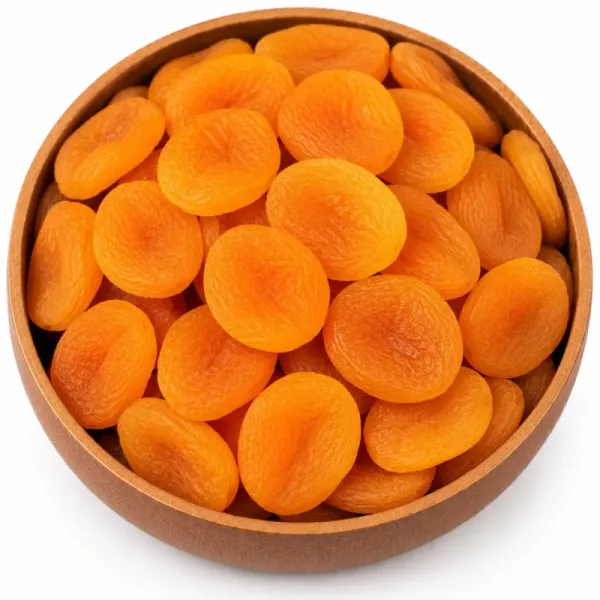
Seedcare Dried Apricots Turkish Premium | Iron Vitamin A Potassium Rich
Premium Turkish dried apricots from Malatya — 96% daily Vitamin A & 15% iron per 100g. Highest Vitamin A of any dry fruit.
Turkish Dried Apricots — The Iron Champion of Dry Fruits
Turkey is the undisputed world leader in dried apricot production, supplying 85% of global demand. The Malatya region of eastern Turkey — with its unique volcanic soil, extreme temperature variations and abundant sunshine — produces apricots with unmatched flavour concentration and nutritional density.
Malatya: The Apricot Capital of the World
The Malatya province of Turkey has been cultivating apricots for over 2,000 years. The extreme continental climate — cold winters, hot dry summers — creates stress conditions that force the apricot tree to concentrate sugars, carotenoids and nutrients into small, intensely flavoured fruits.
Malatya apricots are: - The sweetest variety (highest natural Brix/sugar content) - The most orange (highest beta-carotene / Vitamin A content) - The plumpest (highest moisture retention after drying) - The most exported (premium pricing in international markets)
Complete Nutritional Profile (per 100g)
| Nutrient | Amount | Daily Value |
|---|---|---|
| Vitamin A (Beta-carotene) | 2,163 IU | 96% |
| Iron | 2.7mg | 15% |
| Potassium | 1,162mg | 33% |
| Dietary Fibre | 7.3g | 29% |
| Copper | 0.34mg | 38% |
| Vitamin E | 4.3mg | 29% |
| Natural Sugars | 53g | — |
| Calories | 241 kcal | — |
The Iron and Vitamin A Combination
Dried apricots are nutritionally unique in the dry fruit world — they provide the highest iron content AND the highest Vitamin A content of any common dry fruit simultaneously.
Iron deficiency affects 60% of Indian women — the highest rate of any country globally. The combination of plant-based iron (non-haem iron) in apricots with: - Vitamin A (which increases iron absorption) - Copper (which facilitates iron utilisation) - Vitamin C (found in companion foods)
Creates a highly bioavailable iron source that is more effective than many iron supplements.
The Vitamin A Story
Vitamin A (from beta-carotene in apricots) is essential for:
Eye Health: - Rhodopsin synthesis in rod cells (required for night vision) - Maintaining the tear film and ocular surface - Protecting against age-related macular degeneration
Immune Function: - Required for the differentiation and maturation of all immune cells - Essential for maintaining mucosal barriers (respiratory, digestive, urinary tracts) - The original "anti-infective vitamin" — deficiency dramatically increases susceptibility to infections
Skin Health: - Required for skin cell turnover and collagen synthesis - Reduces acne by regulating sebum production - Retinol (active form of Vitamin A) is the basis of the multi-billion rupee anti-ageing skincare industry
Who Should Eat Dried Apricots Daily?
Women of reproductive age: Iron replacement for menstrual blood loss. Copper to improve iron absorption. Vitamin A for hormonal regulation.
Pregnant women: Vitamin A (within safe limits — do not over-supplement), iron and folate for foetal development. Always consult your doctor.
Children (2-12 years): Vitamin A is the #1 deficiency in Indian children, associated with increased infection risk and night blindness. 3-4 apricots daily provide 60-70% daily Vitamin A.
Elderly individuals: Iron for haemoglobin maintenance (anaemia becomes more common with age). Vitamin A for immune function. Potassium for heart health.
Vegetarians and vegans: Non-haem iron source. Copper to enhance absorption. Higher consumption needed compared to meat eaters.
Iron Absorption Maximisation
Non-haem iron (from plant foods) has lower bioavailability than haem iron (from meat), but this can be significantly improved:
DO: Eat with Vitamin C foods — lemon juice, amla, orange — increases non-haem iron absorption by 3-6 times DO: Eat with copper-rich foods — cashews, sesame — copper is required for iron metabolism AVOID: Tea, coffee and calcium-rich foods within 1 hour of eating — they inhibit iron absorption by 50-60%
Practical tip: Eat 4-5 apricots with a glass of amla juice for optimal iron absorption.
How to Use Dried Apricots
Direct Snacking: Eat 3-5 apricots mid-morning or as an afternoon snack.
Apricot Chutney: Cook apricots with ginger, vinegar, jaggery and spices. Traditional Kashmiri side dish.
Add to Biryanis: 4-5 apricots added to biryani rice add sweetness and colour in the Mughlai tradition.
Apricot Smoothie: Blend 4 apricots with banana, orange juice and ginger. High Vitamin A immune-boosting drink.
Trail Mix: Combine with walnuts, pumpkin seeds and dark chocolate for a nutrient-complete snack.
- World's Finest Turkish Apricots — From Malatya, the global apricot capital
- 96% Daily Vitamin A — Most of any dry fruit, essential for eye and immune health
- 15% Daily Iron — Richest dry fruit iron source for anaemia prevention
- 33% Daily Potassium — Heart rhythm, blood pressure and muscle function
- 29% Daily Fibre — Gut health and natural digestive support
- Essential for Women — Iron for menstruation, Vitamin A for hormones
- Children's Immunity — Daily Vitamin A to prevent deficiency and infections
- No Preservatives Beyond Sulphur — Natural drying method, no artificial additives
Orders are dispatched within 24 hours of confirmation. Delivery typically takes 2–5 business days depending on your location.
Free delivery on orders above ₹500 — see the banner at the top of any page for current delivery offers.
If you're not satisfied with your order, contact us within 7 days of delivery for a return or replacement.
Perishable items (dairy, fresh produce) can only be returned if damaged or incorrect on arrival.