 Pumpkin Seeds
⭐ Featured
Pumpkin Seeds
⭐ Featured
Pumpkin Seeds Benefits: Complete Evidence Guide for India (14 Proven Benefits)
Complete guide to pumpkin seeds benefits for India — 14 evidence-based benefits: zinc 94% DV (immunity, testosterone, DHT control), magnesium 141% DV (insulin resistance, blood pressure, sleep), tryptophan→melatonin (sleep), prostate health (clinical trial evidence), PCOS and female hormones, hair growth (40% increase in 24 weeks), skin, heart, blood sugar, gut, bone and athletic recovery. Raw vs roasted, 8 Indian eating methods, dosage by goal, side effects and 12 FAQ.
In this article: Complete nutrition facts | 14 evidence-based benefits | Zinc — the immunity mineral | Magnesium for insulin resistance | Tryptophan and sleep | Prostate health | Testosterone and male hormones | PCOS and female hormones | Hair growth | Skin | Heart | Blood sugar | Gut health | Bone | Raw vs roasted | How to eat — 8 Indian methods | Dosage by goal | Side effects | 12 FAQ
Pumpkin Seeds Benefits: The Complete Evidence Guide for India
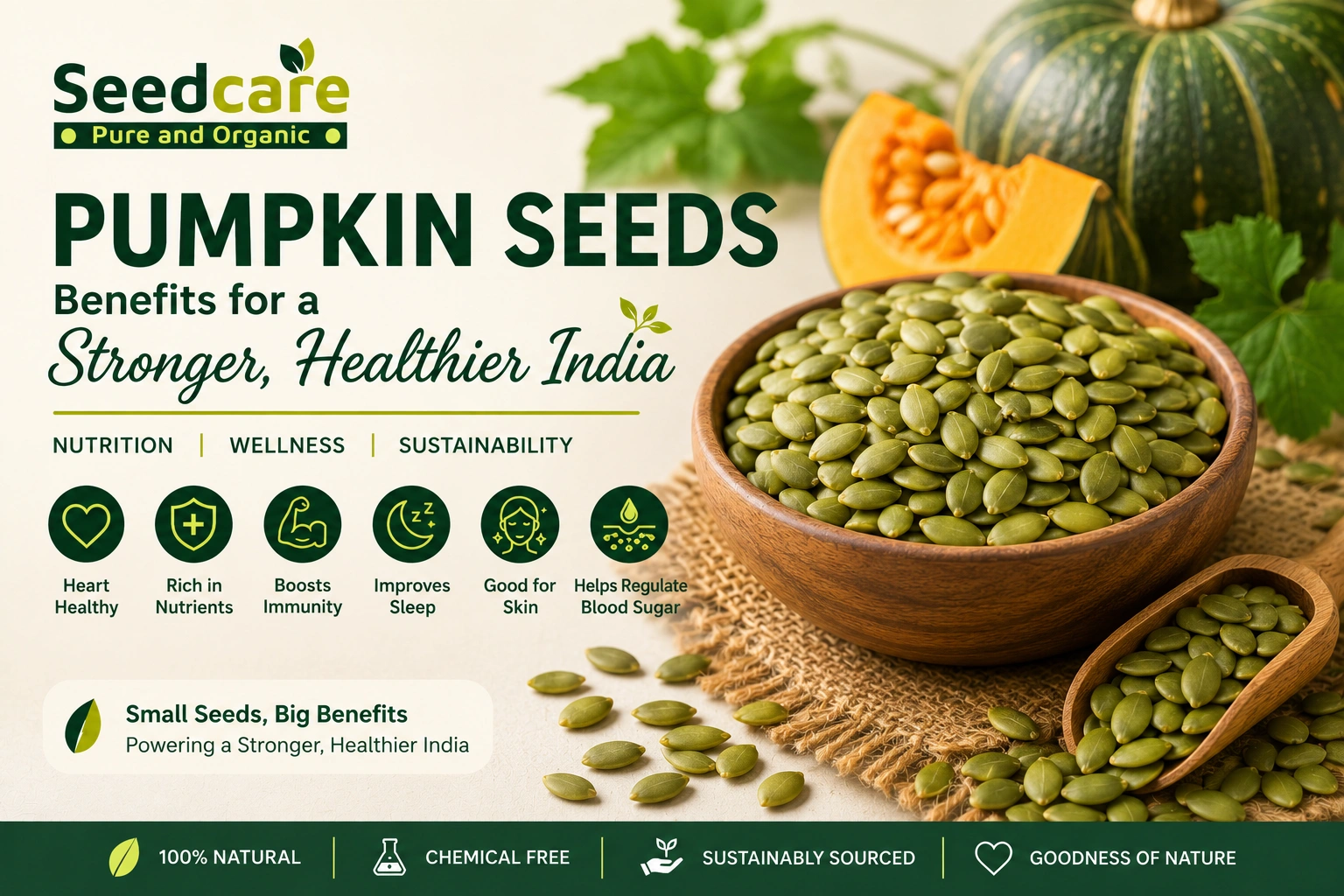
Most people throw away pumpkin seeds when cooking. The seed is a nutritional afterthought — the pumpkin flesh is the point. This is one of the most wasteful habits in Indian kitchens, because pumpkin seeds (Cucurbita pepo seeds), sold as pepitas or magaj, are among the most nutrient-dense seeds available: 94% daily zinc, 141% daily magnesium, 30.2g protein, meaningful omega-3, and a specific amino acid — tryptophan — that your brain converts to serotonin and then melatonin. No other common seed does all of this simultaneously.
This guide covers all 14 evidence-based benefits, the complete nutrition profile, the zinc-testosterone-prostate connection that makes pumpkin seeds specifically relevant for Indian men, the magnesium-insulin-PCOS connection for women, how much to eat for each goal, raw vs roasted, and how to actually use them in Indian cooking.
Hindi version: कद्दू के बीज के फायदे — Complete Hindi Guide.
Pumpkin Seeds: Complete Nutrition Profile
Source: USDA FoodData Central | Per 100g raw, hulled pumpkin seeds:
| Nutrient | Amount per 100g | % Daily Value | Why It Matters |
|---|---|---|---|
| Calories | 559 kcal | — | 28g serving = 156 kcal — nutrient-dense, not empty calories |
| Protein | 30.2g | 60% ✅ | High plant protein — muscle, satiety, hormones |
| Total Fat | 49.1g | — | Mostly MUFA and PUFA — heart-healthy fat profile |
| Omega-3 (ALA) | 0.1g | Low | Not a primary omega-3 source — see flax or chia for this |
| Omega-6 (LA) | 20.7g | High | Linoleic acid — important but balanced by other nutrients |
| Magnesium | 592mg | 141% ✅ | Insulin sensitivity, bone, sleep, BP, energy production |
| Zinc | 10.3mg | 94% ✅ | Immunity, testosterone, DHT control, wound healing |
| Phosphorus | 1,233mg | 176% ✅ | Bone mineralisation, ATP energy |
| Iron | 8.8mg | 49% ✅ | Blood formation — important for vegetarians |
| Copper | 1.4mg | 156% ✅ | Iron absorption, collagen, dopamine synthesis |
| Manganese | 4.5mg | 196% ✅ | Antioxidant SOD enzyme, bone formation |
| Potassium | 809mg | 23% | Blood pressure regulation, muscle function |
| Selenium | 9.4mcg | 17% | Thyroid, GPx antioxidant — lower than sunflower seeds |
| Vitamin K | 51.4mcg | 64% | Blood clotting, bone protein activation |
| Vitamin E | 2.2mg | 15% | Antioxidant — lower than almonds or sunflower seeds |
| Tryptophan | 0.6g | High ✅ | → Serotonin → Melatonin: sleep, mood, anxiety reduction |
| Dietary Fibre | 6.0g | 21% | Gut health, satiety, cholesterol |
| Glycaemic Index | ~25 | Low ✅ | Safe for diabetics — slow glucose release |
| Phytosterols | 265mg | High | Block cholesterol absorption, prostate health |
The standout numbers
Pumpkin seeds have 141% daily magnesium and 94% daily zinc — no other single food you can add to a meal provides both at this level. These two minerals address insulin resistance (magnesium), immunity (zinc), testosterone (zinc), and sleep (magnesium + tryptophan) simultaneously.
14 Evidence-Based Benefits of Pumpkin Seeds
1. Zinc — The Immunity and Testosterone Mineral
Pediatrics 2012 and multiple immunology journals: Zinc is required for over 300 enzymatic reactions. At 94% DV per 100g, pumpkin seeds are the richest common food source of zinc in India.
| Zinc Function | Mechanism | Deficiency Effect in India |
|---|---|---|
| T-cell production | Thymus gland maturation of T-cells requires zinc as cofactor | Recurrent infections — particularly common in children |
| Testosterone synthesis | 5-alpha reductase and testosterone-producing Leydig cells require zinc | Low testosterone → fatigue, low libido, muscle loss |
| DHT regulation | Zinc inhibits 5-alpha reductase which converts testosterone to DHT | Excess DHT → hair thinning, acne, prostate enlargement |
| Wound healing | Zinc activates collagen synthesis and inflammatory resolution | Slow healing — common in zinc-deficient Indians |
| Insulin receptor function | Zinc is part of insulin molecule structure and receptor signalling | Impaired glucose uptake even with normal insulin levels |
| Skin integrity | Sebum regulation, skin cell renewal | Persistent acne — often zinc deficiency rather than hygiene |
2. Magnesium — Insulin Sensitivity and Metabolic Health
Nutrients 2016: Magnesium deficiency is the single most common micronutrient deficiency in Type 2 diabetics and pre-diabetics. India has epidemic rates of both. 592mg magnesium per 100g (141% DV) makes pumpkin seeds one of the most impactful dietary interventions for metabolic health.
- Insulin receptor sensitivity: Magnesium is required for insulin receptor tyrosine kinase activity — the cellular mechanism by which insulin actually gets glucose into cells. Low magnesium = insulin resistance even with normal insulin secretion
- GLUT4 transporters: Magnesium activates the glucose transporter proteins that physically move glucose from blood into muscle cells
- HOMA-IR reduction: Clinical trials consistently show magnesium supplementation reduces HOMA-IR (insulin resistance index) in pre-diabetics
- Cortisol reduction: Magnesium inhibits HPA axis over-activation — lower cortisol means less abdominal fat storage and better insulin signalling
- Sleep quality: GABA (the calming neurotransmitter) is magnesium-dependent — poor sleep drives insulin resistance; better sleep improves metabolic health
3. Sleep — The Tryptophan → Serotonin → Melatonin Pathway
Nutritional Neuroscience 2012: Pumpkin seeds are one of the highest food sources of tryptophan — the amino acid that is the direct precursor to serotonin and melatonin. The pathway is linear:
- Dietary tryptophan (from pumpkin seeds, milk) crosses the blood-brain barrier
- Converted to 5-HTP (5-hydroxytryptophan) by tryptophan hydroxylase enzyme
- Converted to serotonin — the mood regulation neurotransmitter (same target as SSRIs)
- Serotonin converted to melatonin in darkness — the sleep hormone
The practical protocol: 30–40g pumpkin seeds + a glass of warm milk, 1–2 hours before bed. Milk contributes additional tryptophan and calcium (which helps the brain use tryptophan). The combination reliably improves sleep onset time and sleep quality in most people within 1–2 weeks of consistent use.
The magnesium-sleep connection too
Magnesium (141% DV in pumpkin seeds) also independently improves sleep through GABA receptor binding — the same mechanism as benzodiazepines but without dependence risk. Pumpkin seeds are the only food that addresses sleep through two completely separate pathways simultaneously: tryptophan and magnesium.
4. Prostate Health — Clinical Evidence
Nutrition Research and Practice 2009: Pumpkin seed oil supplementation significantly improved symptoms of benign prostatic hyperplasia (BPH — enlarged prostate) in a double-blind randomised trial. The mechanisms are multiple:
- Zinc: Prostate gland contains the highest zinc concentration of any organ in the body. Prostate cancer cells consistently show zinc depletion. Dietary zinc may be protective — epidemiological studies show correlation between zinc intake and prostate health
- DHT inhibition: Phytosterols (particularly delta-7-sterine) in pumpkin seeds block 5-alpha reductase — the enzyme that converts testosterone to DHT. Excess DHT is the primary driver of prostate enlargement
- Beta-sitosterol: A phytosterol in pumpkin seeds — multiple RCTs show beta-sitosterol reduces BPH symptoms including improved urinary flow rate
- Anti-inflammatory: Cucurbitacins in pumpkin seeds have documented anti-inflammatory effects on prostate tissue
Indian men and prostate health
BPH affects approximately 50% of Indian men over 50 and 80% over 70. Dietary zinc deficiency (very common in Indian vegetarians) is a significant risk factor. Daily pumpkin seeds from middle age — 28–40g daily — is the most practical evidence-based dietary intervention.
5. Testosterone and Male Hormonal Health
- Zinc is the most critical mineral for testosterone synthesis — Leydig cells in the testes require zinc to produce testosterone
- Zinc deficiency directly causes reduced testosterone levels — correcting the deficiency restores normal production
- Magnesium independently increases free testosterone by reducing sex hormone binding globulin (SHBG) — magnesium competes with testosterone for SHBG binding, increasing the fraction of testosterone that is biologically active
- Tryptophan → serotonin pathway improves sleep quality → higher growth hormone during deep sleep → better muscle recovery and testosterone maintenance
| Testosterone-Supporting Nutrient | Amount in 100g Pumpkin Seeds | Mechanism |
|---|---|---|
| Zinc | 10.3mg (94% DV) | Direct testosterone synthesis cofactor in Leydig cells |
| Magnesium | 592mg (141% DV) | Reduces SHBG → increases free testosterone fraction |
| Tryptophan | 0.6g (high) | Better sleep → higher GH → testosterone maintenance |
| Vitamin K | 64% DV | Activates testicular enzymes involved in testosterone production |
6. PCOS and Female Hormonal Health
- Zinc reduces DHT: Excess DHT in women causes hirsutism (facial hair), acne, and hair thinning — the most distressing PCOS symptoms. Zinc inhibits 5-alpha reductase, reducing DHT production. Studies in PCOS women show zinc supplementation improves hirsutism scores
- Zinc supports progesterone: Zinc is required for FSH-stimulated follicular development and progesterone synthesis by the corpus luteum. Low zinc = poor ovulation = low progesterone = irregular periods
- Magnesium reduces cortisol: Cortisol is a key driver of PCOS severity — stress worsens all PCOS symptoms. Magnesium reduces HPA axis activation and cortisol output
- Blood sugar stability (GI 25): Insulin resistance drives androgen excess in PCOS. Pumpkin seeds' low GI and magnesium both reduce insulin spikes
Full seed cycling and PCOS protocol: Seeds for PCOS India — Complete Guide.
7. Heart Health
- Magnesium (141% DV): Directly relaxes arterial smooth muscle → reduces blood pressure. Hypertension is India's most common chronic disease; magnesium deficiency is strongly associated
- Phytosterols (265mg/100g): Block cholesterol absorption in the intestine → reduce LDL by 5–10% consistently across studies
- Potassium (23% DV): Counters sodium's blood pressure effects — the DASH diet effect at the food level
- Antioxidants (Vitamin E, Manganese): Prevent LDL oxidation — it is oxidised LDL, not total LDL, that deposits in arterial walls
- Fibre (6g/100g): Soluble fibre binds bile acids → liver converts LDL to replace them → blood LDL falls
8. Blood Sugar Control
Journal of Diabetes and Metabolic Disorders 2014: Pumpkin seed supplementation improved glycaemic control in pre-diabetic subjects. Three mechanisms:
- GI ~25 — slow glucose release, no significant blood sugar spike
- Magnesium (141% DV) — directly improves insulin receptor sensitivity and GLUT4 transporter activity
- Zinc (94% DV) — insulin molecule contains zinc; zinc deficiency impairs insulin production and action
For the complete diabetic-friendly dry fruits guide: Dry Fruits for Diabetics India.
9. Hair Growth — Zinc and DHT Blockade
Evidence-Based Complementary and Alternative Medicine 2014: Pumpkin seed oil supplementation in men with androgenic alopecia (male pattern baldness) produced 40% increase in hair count over 24 weeks versus placebo. The mechanism — DHT inhibition by phytosterols and zinc — is well-established.
- Zinc: Deficiency is one of the most common and most overlooked causes of hair thinning in India. Zinc restores hair follicle function and reduces DHT-driven miniaturisation
- 5-alpha reductase inhibition: Beta-sitosterol and delta-7-sterine block the enzyme that converts testosterone to DHT — the mechanism of finasteride (a prescription hair loss drug), without the side effects
- Iron (49% DV): Iron deficiency anaemia is the most common cause of diffuse hair loss in Indian women — pumpkin seeds address both zinc and iron simultaneously
- Protein (30.2g): Hair is primarily keratin protein — dietary protein deficiency causes hair loss directly
10. Skin Health
- Zinc (94% DV): Regulates sebum production — excess sebum drives acne. Topical and dietary zinc both show consistent benefit in acne studies. Nutrients 2017: zinc reduces inflammatory skin lesions in 8–12 weeks
- Vitamin E (15% DV): Antioxidant protection against UV damage and free radical oxidation of skin cell membranes
- Copper (156% DV): Essential for melanin (skin pigment) and collagen synthesis — the structural protein of skin
- Manganese (196% DV): Activates the SOD2 antioxidant enzyme in skin cells — most important intracellular antioxidant
11. Bone Strength
- Phosphorus 176% DV + Magnesium 141% DV + Manganese 196% DV — three critical bone minerals in exceptional quantities
- Phosphorus forms the hydroxyapatite crystal structure of bone — 85% of body phosphorus is in bone
- Vitamin K (64% DV) activates osteocalcin — the protein that anchors calcium into the bone matrix
- Zinc supports osteoblast (bone-building cell) activity and inhibits osteoclast (bone-resorbing cell) activity
12. Gut Health and Microbiome
Journal of Functional Foods 2019: Pumpkin seed fibre selectively feeds Lactobacillus and Faecalibacterium prausnitzii — beneficial bacteria that produce butyrate, the primary fuel for colon cells.
- 6g dietary fibre per 100g — prebiotic effect on gut microbiome
- Cucurbitacins have mild antiparasitic properties — traditional use as vermifuge (deworming) is not without some scientific basis
- Magnesium supports gut motility — constipation is very often a magnesium deficiency symptom
13. Anti-Inflammatory and Antioxidant Protection
- Manganese 196% DV — cofactor for SOD2 (superoxide dismutase), the primary mitochondrial antioxidant enzyme
- Copper 156% DV — cofactor for SOD3 (extracellular superoxide dismutase)
- Vitamin E, phytosterols, cucurbitacins — additional antioxidant and anti-inflammatory compounds
- Zinc — reduces NF-κB (the master inflammatory transcription factor) activation
14. Post-Workout Recovery and Athletic Performance
- 30.2g complete protein: all essential amino acids including leucine for muscle protein synthesis
- Magnesium: ATP production — every energy-requiring cellular process needs magnesium-ATP complex
- Iron 49% DV: oxygen delivery to working muscles via haemoglobin
- Anti-inflammatory zinc and manganese: reduce exercise-induced oxidative damage to muscle tissue
- Tryptophan → serotonin: better mood during training; → melatonin: better overnight recovery
Pumpkin Seeds vs Other Seeds: Where They Fit
| Nutrient | Pumpkin Seeds | Chia Seeds | Hemp Seeds | Flax Seeds | Sunflower Seeds |
|---|---|---|---|---|---|
| Zinc | 94% DV ✅ | 42% | 90% | 22% | 46% |
| Magnesium | 141% DV ✅ | 79% | 167% | 83% | 31% |
| Protein | 30.2g | 16.5g | 31.6g ✅ | 18.3g | 20.8g |
| Omega-3 | 0.1g | 17.8g ✅ | 9.3g | 22.8g ✅ | 0.1g |
| Selenium | 17% | 85% | ~15% | ~8% | 96% ✅ |
| Fibre | 6g | 34.4g ✅ | 4g | 22.8g ✅ | 8.6g |
| Iron | 49% DV ✅ | 43% | 44% | 23% | 21% |
| Tryptophan | Highest ✅ | High | High | Moderate | Moderate |
| GI | ~25 | ~1 ✅ | ~0 | ~35 | ~35 |
| Best for | Zinc, Mg, sleep, prostate, PCOS | Fibre, omega-3, weight loss | Complete protein, GLA | Omega-3, lignans | Selenium, Vit E |
Raw vs Roasted Pumpkin Seeds: Does It Matter?
| Property | Raw Pumpkin Seeds | Roasted Pumpkin Seeds |
|---|---|---|
| Zinc | 100% retained | ~90–95% retained — light roasting minimal loss |
| Magnesium | 100% | 100% — mineral, not affected by heat |
| Protein | 100% | 95–98% — marginal denaturation |
| Healthy fats | 100% | Light roast: ~90%. Heavy/oil roast: lower |
| Antioxidants | Higher | Some reduction in polyphenols |
| Digestibility | Slightly harder | Better ✅ — phytates reduced |
| Taste | Mild, slightly raw | Nuttier, more flavourful ✅ |
| Shelf life | Shorter | Longer ✅ |
| Best for | Smoothies, raw food | Snacking, direct eating |
The phytate consideration
Raw pumpkin seeds contain phytic acid that binds zinc and reduces its absorption. Light roasting and soaking overnight both reduce phytates by 20–30%, improving the zinc absorption that makes pumpkin seeds so valuable. For maximum zinc benefit: soak overnight OR eat roasted variety.
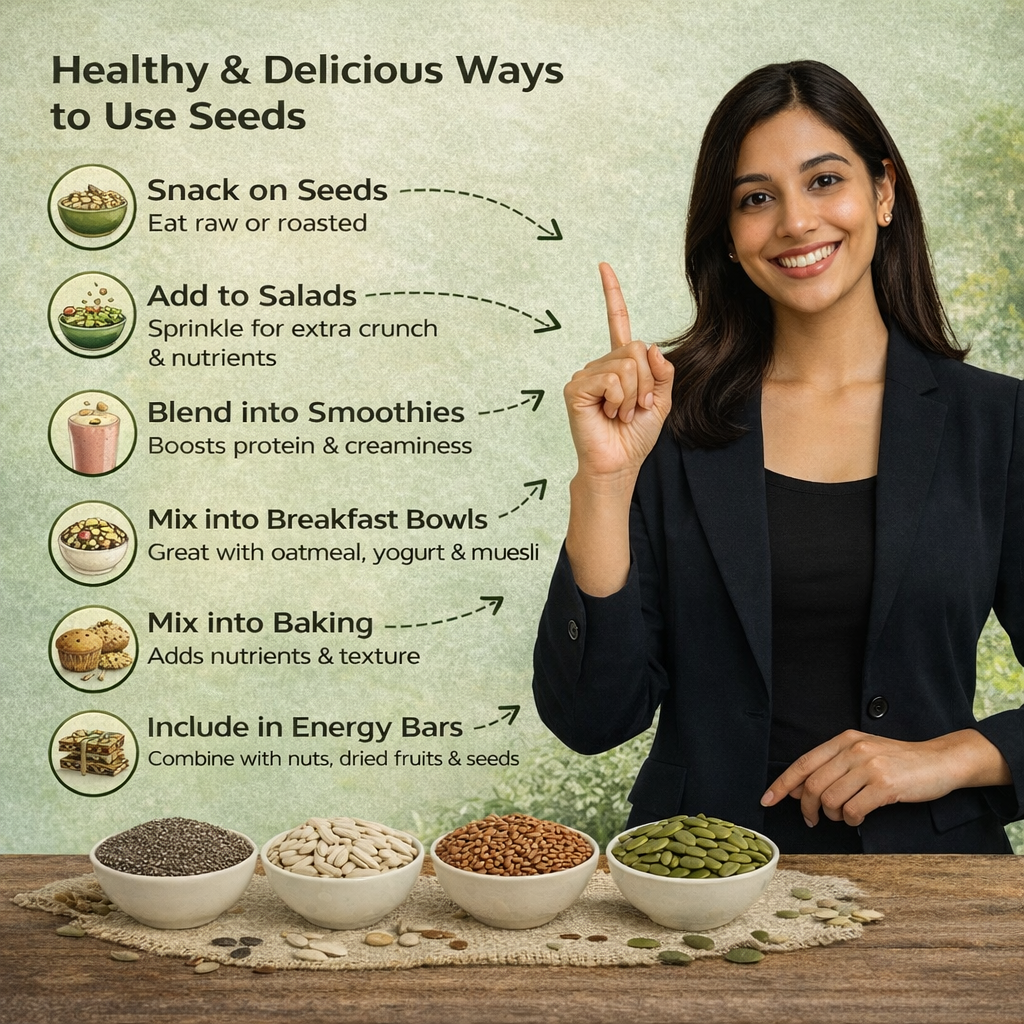
8 Ways to Eat Pumpkin Seeds in Indian Cooking
1. Direct Snack (Easiest)
30g roasted pumpkin seeds + pinch black salt + squeeze of lemon. Eat as afternoon snack or pre-workout. 156 kcal, 9g protein, 3g zinc equivalent. Replaces chips, namkeen and commercial snack foods with something genuinely nutritious.
2. Sleep Protocol (1–2 Hours Before Bed)
30g pumpkin seeds + glass warm milk. The tryptophan in seeds + tryptophan in milk + calcium (helps brain use tryptophan) = natural sleep support. No melatonin supplement needed. Start seeing results in 1–2 weeks of consistent nightly use.
3. In Morning Dahi
1 tbsp pumpkin seeds sprinkled into morning dahi. Adds crunch, protein, zinc and magnesium. Takes 5 seconds. Completely compatible with any existing breakfast.
4. Roasted Chutney (South Indian Style)
2 tbsp pumpkin seeds (roasted) + 1 tbsp coconut + 1 green chilli + garlic + lemon + salt. Grind coarsely. Serve with idli, dosa, roti. Zinc-rich condiment that makes every South Indian breakfast a hormonal health food.
5. In Roti or Paratha Dough
1 tbsp crushed pumpkin seeds per cup of atta. Mix into dough before kneading. Cook normally. Invisible in taste and texture. Every roti now contains zinc, magnesium and protein upgrade.
6. Makhana-Pumpkin Seeds Mix (Immunity Snack)
30g roasted makhana + 15g pumpkin seeds + 10g sunflower seeds + chaat masala + black salt. Mix and store in jar. GI ~40 combined, protein-rich, zinc + selenium + magnesium in one snack. Better than any commercial namkeen.
7. Salad Topping
1–2 tbsp pumpkin seeds scattered over any salad. Adds crunch, protein and mineral density without changing the salad's character. The Western habit that works perfectly in Indian context — kachumber, green salad, even raita.
8. Smoothie Blend
2 tbsp pumpkin seeds blended into a morning smoothie with banana, milk and cardamom. Seeds blend smooth. 6g protein + 3mg zinc + 118mg magnesium added invisibly to a fruit drink. Particularly useful for children who won't eat seeds directly.
Daily Dosage Guide by Goal
| Goal | Daily Amount | Best Timing | Method |
|---|---|---|---|
| General health | 28–30g (2 tbsp) | Anytime | Direct snack or in dahi |
| Immunity boost | 30–40g | Morning | With sunflower seeds for selenium combination |
| Sleep improvement | 30–40g | 1–2 hr before bed | With warm milk (tryptophan + calcium) |
| Prostate health (men 40+) | 30–40g daily | Any time | Consistent — effects take 3–6 months |
| Testosterone / male hormones | 30–40g | Morning or post-workout | With vitamin C source (lemon) for zinc absorption |
| PCOS / female hormones | 30g Phase 1 (Days 1–14) | Mid-morning | Seed cycling protocol — full guide |
| Hair loss (men) | 30–40g + pumpkin seed oil | Any time | Dietary + topical oil — results in 3–6 months |
| Blood sugar / diabetics | 28–30g | Before meals | GI 25 — safe as snack before carb meals |
| Weight loss | 28–30g | 15 min before meals | Protein satiety reduces meal size |
| Post-workout recovery | 30–40g | Within 60 min after exercise | With banana or fruit for carb replenishment |
| Children (6–12) | 1–2 tbsp (15–20g) | Morning or snack | Crushed in dahi or smoothie |
Side Effects and Precautions
| Concern | Details | Who It Affects | Prevention |
|---|---|---|---|
| Calorie density | 559 kcal/100g — easy to overconsume | Weight management | Stick to 28–40g (1–2 tbsp) daily serving |
| Digestive discomfort | High fat and fibre — bloating, loose stools if too much | Sensitive digestion | Start with 1 tbsp, increase over 1–2 weeks |
| Blood pressure medication | Magnesium has mild BP-lowering effect at high doses | On antihypertensives | Inform doctor; 30–40g daily is safe in most cases |
| Anticoagulants | Vitamin K affects blood clotting | On warfarin | Consult doctor; consistent moderate intake is fine |
| Allergy | Rare pumpkin seed allergy exists | Very rare | Test with small amount first if first time eating |
| Prostate medication | Beta-sitosterol has 5-AR inhibiting effect | On finasteride/dutasteride | Inform doctor — additive effect possible |
| Phytates (raw) | Reduce zinc absorption by 20–30% | Anyone eating raw | Soak overnight or eat roasted to reduce phytates |
Frequently Asked Questions
What are the main benefits of pumpkin seeds?
Pumpkin seeds have 14 evidence-based benefits, with the most significant being: (1) Zinc 94% DV — immunity, testosterone, DHT control, wound healing; (2) Magnesium 141% DV — insulin sensitivity, blood pressure, sleep; (3) Tryptophan → melatonin — sleep quality; (4) Prostate health via phytosterols and zinc; (5) PCOS and female hormone balance via zinc and magnesium; (6) Hair loss reduction via DHT inhibition.
How many pumpkin seeds should I eat per day?
28–40g (approximately 2–3 tablespoons) is the standard daily recommendation. 28g = 156 kcal, 8.5g protein, 2.9mg zinc (26% DV), 166mg magnesium (40% DV). For sleep, immunity or hormonal goals: 30–40g. For general health: 28g daily. More than 60g adds significant calories without proportional additional benefit.
Can pumpkin seeds improve sleep?
Yes — through two independent mechanisms. Tryptophan (high in pumpkin seeds) converts to serotonin → melatonin, directly supporting sleep onset. Magnesium (141% DV) activates GABA receptors, reducing neural activity for sleep initiation. Protocol: 30–40g pumpkin seeds + warm milk 1–2 hours before bed. Consistent results typically appear in 1–2 weeks.
Are pumpkin seeds good for testosterone?
Yes — zinc is the most important mineral for testosterone synthesis. Leydig cells in the testes require zinc to produce testosterone. Pumpkin seeds provide 94% daily zinc in 100g. Magnesium additionally increases free testosterone by reducing SHBG (sex hormone binding globulin). Both minerals together make pumpkin seeds the most testosterone-supportive single seed available.
Can women eat pumpkin seeds for PCOS?
Yes — pumpkin seeds are specifically recommended in the Phase 1 (Days 1–14) of seed cycling for PCOS. Zinc reduces DHT (causing hirsutism and acne), supports progesterone synthesis, and improves ovulation quality. Magnesium reduces cortisol, improving PCOS symptoms. Blood sugar stability (GI 25) reduces insulin resistance — the primary driver of PCOS in most Indian women. Full protocol: Seeds for PCOS India.
Are pumpkin seeds good for hair growth?
Clinical evidence: ECAM 2014 showed 40% increase in hair count with pumpkin seed oil over 24 weeks in men with pattern baldness. Mechanisms: zinc reduces DHT (the driver of pattern hair loss), iron (49% DV) addresses the most common cause of diffuse hair loss in women, and protein (30.2g/100g) provides keratin building blocks. Results take 3–6 months of consistent consumption.
Can diabetics eat pumpkin seeds?
Pumpkin seeds have GI approximately 25 — in the low GI range. Magnesium (141% DV) directly improves insulin receptor sensitivity. Zinc is part of the insulin molecule structure. Regular consumption may meaningfully improve glycaemic control in Type 2 diabetics. 28–30g as a pre-meal snack is both safe and beneficial.
Raw or roasted pumpkin seeds — which is better?
Light dry roasting is slightly better for most people: improves taste significantly, reduces phytates (improving zinc absorption by 20–30%), and extends shelf life. Heavy oil roasting reduces healthy fat quality. Raw seeds are fine in smoothies and mixed into food. Seedcare Roasted Pumpkin Seeds are light-roasted without oil or excessive salt — this is the optimal form for daily eating.
How do pumpkin seeds help with prostate health?
Three mechanisms: (1) Zinc — prostate contains the highest zinc concentration of any organ; zinc depletion is associated with prostate dysfunction; (2) Phytosterols (beta-sitosterol, delta-7-sterine) block 5-alpha reductase — reduces DHT, the driver of benign prostatic hyperplasia; (3) Anti-inflammatory cucurbitacins reduce prostate tissue inflammation. Clinical trial: pumpkin seed oil significantly improved BPH symptoms vs placebo (NRP 2009).
Can children eat pumpkin seeds?
Pumpkin seeds are safe and nutritious for children 5 years and older. Zinc is critical for growth, immunity, and brain development in children — India has high rates of childhood zinc deficiency. 1–2 tbsp (15–20g) daily in dahi, smoothie or roti dough is appropriate. Under 5: grind into powder and add to food. No whole seeds for toddlers (choking hazard).
Do pumpkin seeds help with weight loss?
Yes, as part of a caloric deficit approach. 30.2g protein per 100g triggers satiety hormones GLP-1 and PYY, reducing appetite for 3–4 hours. Magnesium improves insulin sensitivity, reducing the insulin excess that promotes fat storage. The GI of 25 prevents blood sugar spikes that drive hunger. Full seeds weight loss guide: Best Seeds for Weight Loss India.
Where can I buy pumpkin seeds in India?
Seedcare AAA Grade Raw Pumpkin Seeds and Seedcare Roasted Pumpkin Seeds — FSSAI certified, premium grade, no artificial additives. 250g to 1kg packs at store.seedcare.in, pan-India delivery.
Start With Two Tablespoons
Two tablespoons of pumpkin seeds daily — 28g, 156 kcal. In your afternoon dahi. Or as a snack at 4pm replacing chips or namkeen. Or before bed with warm milk for the sleep benefit. Consistent daily consumption over 4–8 weeks produces measurable changes in zinc status, magnesium levels, and sleep quality in most people.
Seedcare Pumpkin Seeds — raw AAA grade. Roasted Pumpkin Seeds for direct snacking. All seeds →.